Today’s readings – Feb 29:-





NEW TESTAMENT: Mark 7:1-13 (Marqos 7:1-13)
OLD TESTAMENT: Numbers 20,21,22 (Bemidbar 20,21,22)
(NOTE: Word meanings in the brackets are from the dictionaries, AMP Bible, Hebrew words, Strong Concordance and Yah Scriptures Bible as learning aid. GOAL: To restore the name of the Only Almighty True Living Creator of the universe and the name of His Son, the Messiah / Savior who was sent by Him to save the repented sinners as in John 3:16-18, John 3:3 & Isaiah 52:6)
Isaiah 52:6 King James Version (KJV)
“Therefore MY PEOPLE SHALL KNOW MY NAME: therefore they shall know in that day that I am he that doth (He who does) speak: behold, it is I.”
(NOTE: Hebrew is read from right to left)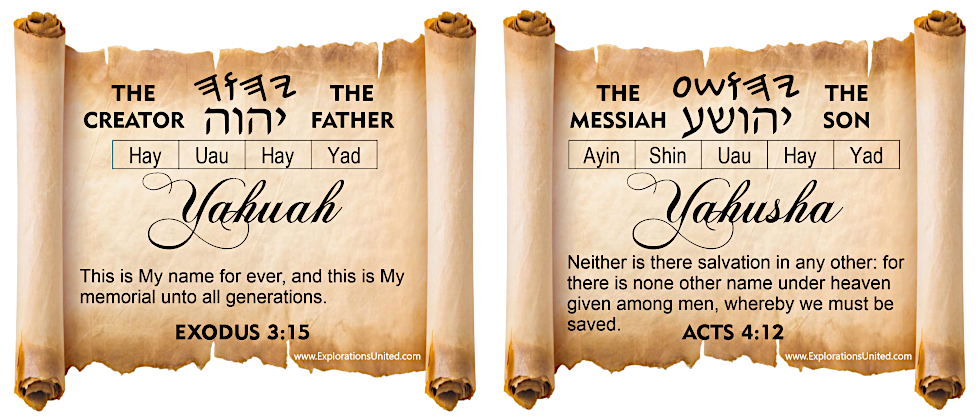
(Click on the banner to enlarge)
INVITATION: Come join us for the Daily Devotional Bible Study online live session (1 year reading plan – since Oct 2021). Click here for full details. You can join from whichever country you are in.
– Begin of daily reading for Feb 29 – Day 060
(* LEAP YEAR NOTE: In the Gregorian calendar, a year normally has 365 days, which is its usual length. However, there is a leap year every four years, which adds February 29 as an extra day, bringing the total number of days to 366. This is to ensure that the calendar year and the astronomical year are in equilibrium. Examples of leap years: 2024 , 2028 , 2032 , 2036 , 2040 and so on.)
(Therefore, if this year is a non-leap year, please read Feb 29 as well. At the end of Feb 28’s reading there will be a link for Feb 29)
Mark 7:1-13
King James Version audio with speed control:-
(NOTE: To pause and to play again, press Fn + F5 on your keyboard)
Background music:-
The Pharisees Rebuked
7 Then came together unto him (to Him) the Pharisees, and certain of the scribes, which came from Jerusalem.
(NOTE: Pharisees (proper noun – plural of Pharisee) = a Jewish group that separated from other Jews and followed strictly the oral law of the Old Testament in ancient Judaism. They separated themselves from impurity and opposed the Messiah / the Son of the Almighty Creator / Yahusha ha’Mashiach (the original name of Jesus Christ in the Hebrew language) and argued with Him very often)
(NOTE: scribes (noun – plural of scribe) = Jewish learned leaders trained to write and teach the Torah, the law of God (Elohim / Aluahym; 𐤉𐤄𐤅𐤄 / Yahuah))
2 And when they saw some of his (His) disciples eat bread with defiled (polluted), that is to say, with unwashen (unwashed), hands, they found fault.
3 For the Pharisees, and all the Jews, except they wash their hands oft, eat not, holding the tradition of the elders.
4 And when they come from the market, except they wash, they eat not. And many other things there be, which they have received to hold, as the washing of cups, and pots, brasen (bronze) vessels, and of tables.
5 Then the Pharisees and scribes asked him (Him), Why walk not thy (Your) disciples according to the tradition of the elders, but eat bread with unwashen (unwashed) hands?
6 He answered and said unto them, Well hath Esaias (has Isaiah) prophesied of you hypocrites, as it is written, This people honoureth (honor) me (Me) with their lips, but their heart is far from me (Me).
7 Howbeit in vain do they worship me (Me), teaching for doctrines the commandments of men.
8 For laying aside the commandment of God (Elohim / Aluahym; 𐤉𐤄𐤅𐤄 / Yahuah), ye (you) hold the tradition of men, as the washing of pots and cups: and many other such like things ye (you) do.
9 And he (He) said unto them, Full well ye (you) reject the commandment of God (Elohim / Aluahym; 𐤉𐤄𐤅𐤄 / Yahuah), that ye (you) may keep your own tradition.
10 For Moses said, Honour thy (your) father and thy (your) mother; and, Whoso curseth (Whoever curses) father or mother, let him die the death:
11 But ye (you) say, If a man shall say to his father or mother, It is Corban (Qorban), that is to say, a gift, by whatsoever thou mightest (you might) be profited by me; he shall be free.
12 And ye (you) suffer him no more to do ought for his father or his mother (then you no longer let him do anything for his father or mother [since helping them would violate his vow of Corban]);
13 Making the word of God (Elohim / Aluahym; 𐤉𐤄𐤅𐤄 / Yahuah) of none effect through your tradition, which ye (you) have delivered: and many such like things do ye (you).
OLD TESTAMENT
Numbers 20
King James Version audio with speed control:-
(NOTE: To pause and to play again, press Fn + F5 on your keyboard)
Background music:-
The Death of Miriam at Kadesh
20 Then came the children of Israel, even the whole congregation, into the desert of Zin in the first month: and the people abode in Kadesh; and Miriam died there, and was buried there.
Water from a Rock
2 And there was no water for the congregation: and they gathered themselves together against Moses and against Aaron.
3 And the people chode (argued / quarreled) with Moses, and spake (spoke), saying, Would God (Elohim / Aluahym; 𐤉𐤄𐤅𐤄 / Yahuah) that we had died when our brethren died before the Lord (Adonai; 𐤉𐤄𐤅𐤄 / Yahuah)!
4 And why have ye (you) brought up the congregation of the Lord (Adonai; 𐤉𐤄𐤅𐤄 / Yahuah) into this wilderness, that we and our cattle should die there?
5 And wherefore have ye (you) made us to come up out of Egypt, to bring us in unto this evil place? it is no place of seed, or of figs, or of vines, or of pomegranates; neither is there any water to drink.
6 And Moses and Aaron went from the presence of the assembly unto the door of the tabernacle of the congregation, and they fell upon their faces: and the glory of the Lord (Adonai; 𐤉𐤄𐤅𐤄 / Yahuah) appeared unto them.
7 And the Lord (Adonai; 𐤉𐤄𐤅𐤄 / Yahuah) spake unto (spoke to) Moses, saying,
8 Take the rod, and gather thou (you) the assembly together, thou (you), and Aaron thy (your) brother, and speak ye (you) unto the rock before their eyes; and it shall give forth his water, and thou shalt (you shall) bring forth to them water out of the rock: so thou shalt (you shall) give the congregation and their beasts drink.
9 And Moses took the rod from before the Lord (Adonai; 𐤉𐤄𐤅𐤄 / Yahuah), as he (He) commanded him.
10 And Moses and Aaron gathered the congregation together before the rock, and he said unto them, Hear now, ye (you) rebels; must we fetch you water out of this rock?
11 And Moses lifted up his hand, and with his rod he smote (struck) the rock twice: and the water came out abundantly, and the congregation drank, and their beasts (animals) also.
12 And the Lord (Adonai; 𐤉𐤄𐤅𐤄 / Yahuah) spake unto (spoke to) Moses and Aaron, Because ye (you) believed me not, to sanctify me in the eyes of the children of Israel, therefore ye (you) shall not bring this congregation into the land which I have given them.
13 This is the water of Meribah; because the children of Israel strove with the Lord (Adonai; 𐤉𐤄𐤅𐤄 / Yahuah), and he was sanctified in them.
Refusal for a Passage Through Edom
14 And Moses sent messengers from Kadesh unto the king of Edom, Thus saith (says) thy (your) brother Israel, Thou knowest (You know) all the travail (hardship) that hath befallen us (has come upon us [as a nation]):
15 How our fathers went down into Egypt, and we have dwelt in Egypt a long time; and the Egyptians vexed (enraged / offended) us, and our fathers:
16 And when we cried unto the Lord (Adonai; 𐤉𐤄𐤅𐤄 / Yahuah), he heard our voice, and sent an angel, and hath (has) brought us forth out of Egypt: and, behold, we are in Kadesh, a city in the uttermost of thy (your) border:
17 Let us pass, I pray thee (you), through thy (your) country: we will not pass through the fields, or through the vineyards, neither will we drink of the water of the wells: we will go by the king’s high way, we will not turn to the right hand nor to the left, until we have passed thy (your) borders.
18 And Edom said unto him, Thou shalt (You shall) not pass by me, lest I (otherwise I will) come out against thee (you) with the sword.
19 And the children of Israel said unto him, We will go by the high way: and if I and my cattle drink of thy (your) water, then I will pay for it: I will only, without doing anything else, go through on my feet.
20 And he said, Thou shalt (You shall) not go through. And Edom came out against him with much people, and with a strong hand.
21 Thus Edom refused to give Israel passage through his border: wherefore Israel turned away from him.
22 And the children of Israel, even the whole congregation, journeyed from Kadesh, and came unto mount Hor.
Eleazar Becomes High Priest
23 And the Lord (Adonai; 𐤉𐤄𐤅𐤄 / Yahuah) spake unto (spoke to) Moses and Aaron in mount Hor, by the coast of the land of Edom, saying,
24 Aaron shall be gathered unto his people: for he shall not enter into the land which I have given unto the children of Israel, because ye (you) rebelled against my word at the water of Meribah.
25 Take Aaron and Eleazar his son, and bring them up unto mount Hor:
26 And strip Aaron of his garments, and put them upon Eleazar his son: and Aaron shall be gathered unto his people, and shall die there.
27 And Moses did as the Lord (Adonai; 𐤉𐤄𐤅𐤄 / Yahuah) commanded: and they went up into mount Hor in the sight of all the congregation.
The Death of Aaron
28 And Moses stripped Aaron of his garments, and put them upon Eleazar his son; and Aaron died there in the top of the mount: and Moses and Eleazar came down from the mount.
29 And when all the congregation saw that Aaron was dead, they mourned for Aaron thirty days, even all the house of Israel.
Numbers 21
King James Version audio with speed control:-
(NOTE: To pause and to play again, press Fn + F5 on your keyboard)
Background music:-
Israel’s Destruction of the Canaanites
21 And when king Arad the Canaanite, which dwelt (lived) in the south, heard tell that Israel came by the way of the spies; then he fought against Israel, and took some of them prisoners.
2 And Israel vowed a vow unto the Lord (Adonai; 𐤉𐤄𐤅𐤄 / Yahuah), and said, If thou wilt (you will) indeed deliver this people into my hand, then I will utterly destroy their cities.
3 And the Lord (Adonai; 𐤉𐤄𐤅𐤄 / Yahuah) hearkened (paid attention) to the voice of Israel, and delivered up the Canaanites; and they utterly destroyed them and their cities: and he called the name of the place Hormah.
4 And they journeyed from mount Hor by the way of the Red sea, to compass the land of Edom: and the soul of the people was much discouraged because of the way.
5 And the people spake (spoke) against God (Elohim / Aluahym; 𐤉𐤄𐤅𐤄 / Yahuah), and against Moses, Wherefore have ye (Why have you) brought us up out of Egypt to die in the wilderness? for there is no bread, neither is there any water; and our soul loatheth (we hate) this light bread.
6 And the Lord (Adonai; 𐤉𐤄𐤅𐤄 / Yahuah) sent fiery serpents among the people, and they bit the people; and much people of Israel died.
7 Therefore the people came to Moses, and said, We have sinned, for we have spoken against the Lord (Adonai; 𐤉𐤄𐤅𐤄 / Yahuah), and against thee (you); pray unto the Lord (Adonai; 𐤉𐤄𐤅𐤄 / Yahuah), that he (He) take away the serpents from us. And Moses prayed for the people.
The Brass Serpent
8 And the Lord (Adonai; 𐤉𐤄𐤅𐤄 / Yahuah) said unto Moses, Make thee (you) a fiery serpent, and set it upon a pole: and it shall come to pass, that every one that is bitten, when he looketh (looks) upon it, shall live.
9 And Moses made a serpent of brass, and put it upon a pole, and it came to pass, that if a serpent had bitten any man, when he beheld the serpent of brass, he lived.
The Journey to Moab
10 And the children of Israel set forward, and pitched (set up a tent) in Oboth.
11 And they journeyed from Oboth, and pitched at Ijeabarim, in the wilderness which is before Moab, toward the sunrising.
12 From thence they removed, and pitched in the valley of Zared.
13 From thence they removed, and pitched on the other side of Arnon, which is in the wilderness that cometh out of the coasts of the Amorites: for Arnon is the border of Moab, between Moab and the Amorites.
14 Wherefore it is said in the book of the wars of the Lord (Adonai; 𐤉𐤄𐤅𐤄 / Yahuah), What he did in the Red sea, and in the brooks (small streams) of Arnon,
15 And at the stream of the brooks (small streams) that goeth (goes) down to the dwelling of Ar, and lieth (lies) upon the border of Moab.
16 And from thence they went to Beer: that is the well whereof the Lord (Adonai; 𐤉𐤄𐤅𐤄 / Yahuah) spake unto (spoke to) Moses, Gather the people together, and I will give them water.
17 Then Israel sang this song, Spring up, O well; sing ye (you) unto it:
18 The princes digged the well, the nobles of the people digged it, by the direction of the lawgiver, with their staves. And from the wilderness they went to Mattanah:
19 And from Mattanah to Nahaliel: and from Nahaliel to Bamoth:
20 And from Bamoth in the valley, that is in the country of Moab, to the top of Pisgah, which looketh toward Jeshimon.
Israel Requests Passage from Sihon
21 And Israel sent messengers unto Sihon king of the Amorites, saying,
22 Let me pass through thy (your) land: we will not turn into the fields, or into the vineyards; we will not drink of the waters of the well: but we will go along by the king’s high way, until we be past thy (your) borders.
23 And Sihon would not suffer Israel to pass through his border: but Sihon gathered all his people together, and went out against Israel into the wilderness: and he came to Jahaz, and fought against Israel.
Israel Captures the Land of the Amorites
24 And Israel smote (struck) him with the edge of the sword, and possessed his land from Arnon unto Jabbok, even unto the children of Ammon: for the border of the children of Ammon was strong.
25 And Israel took all these cities: and Israel dwelt in all the cities of the Amorites, in Heshbon, and in all the villages thereof.
26 For Heshbon was the city of Sihon the king of the Amorites, who had fought against the former king of Moab, and taken all his land out of his hand, even unto Arnon.
27 Wherefore they that speak in proverbs say, Come into Heshbon, let the city of Sihon be built and prepared:
28 For there is a fire gone out of Heshbon, a flame from the city of Sihon: it hath (has) consumed ar of Moab, and the lords (masters) of the high places of Arnon.
29 Woe to thee (Great sorrow to you), Moab! thou art undone, O people of Chemosh: he hath (has) given his sons that escaped, and his daughters, into captivity unto Sihon king of the Amorites.
30 We have shot at them; Heshbon is perished even unto Dibon, and we have laid them waste even unto Nophah, which reacheth unto Medeba.
31 Thus Israel dwelt (lived) in the land of the Amorites.
32 And Moses sent to spy out Jaazer, and they took the villages thereof, and drove out the Amorites that were there.
Israel’s Victory over Bashan
33 And they turned and went up by the way of Bashan: and og the king of bashan went out against them, he, and all his people, to the battle at edrei.
34 And the Lord (Adonai; 𐤉𐤄𐤅𐤄 / Yahuah) said unto Moses, Fear him not: for I have delivered him into thy (your) hand, and all his people, and his land; and thou shalt (you shall) do to him as thou didst unto (you did to) Sihon king of the Amorites, which dwelt at Heshbon.
35 So they smote (struck) him, and his sons, and all his people, until there was none left him alive: and they possessed his land.
Numbers 22
King James Version audio with speed control:-
(NOTE: To pause and to play again, press Fn + F5 on your keyboard)
Background music:-
Balak Summons Balaam
22 And the children of Israel set forward, and pitched in the plains of Moab on this side Jordan by Jericho.
2 And Balak the son of Zippor saw all that Israel had done to the Amorites.
3 And Moab was sore afraid of the people, because they were many: and Moab was distressed because of the children of Israel.
4 And Moab said unto the elders of Midian, Now shall this company lick up all that are round about us, as the ox licketh (licks) up the grass of the field. And Balak the son of Zippor was king of the Moabites at that time.
5 He sent messengers therefore unto Balaam the son of Beor to Pethor, which is by the river of the land of the children of his people, to call him, saying, Behold, there is a people come out from Egypt: behold, they cover the face of the earth, and they abide over against me:
6 Come now therefore, I pray thee (you), curse me this people; for they are too mighty for me: peradventure (perhaps) I shall prevail, that we may smite (strike) them, and that I may drive them out of the land: for I wot (for I know) that he whom thou blessest (you have blessed) is blessed, and he whom thou cursest (you curse) is cursed.
Balaam Seeks God’s (Elohim’s) Direction
7 And the elders of Moab and the elders of Midian departed with the rewards of divination in their hand; and they came unto Balaam, and spake unto (spoke to) him the words of Balak.
8 And he said unto them, Lodge here this night, and I will bring you word again, as the Lord (Adonai; 𐤉𐤄𐤅𐤄 / Yahuah) shall speak unto me: and the princes of Moab abode with Balaam.
9 And God (Elohim / Aluahym; 𐤉𐤄𐤅𐤄 / Yahuah) came unto Balaam, and said, What men are these with thee (you)?
10 And Balaam said unto God (Elohim / Aluahym; 𐤉𐤄𐤅𐤄 / Yahuah), Balak the son of Zippor, king of Moab, hath (has) sent unto me, saying,
11 Behold, there is a people come out of Egypt, which covereth (covers) the face of the earth: come now, curse me them; peradventure (perhaps) I shall be able to overcome them, and drive them out.
12 And God (Elohim / Aluahym; 𐤉𐤄𐤅𐤄 / Yahuah) said unto Balaam, Thou shalt not (You shall not) go with them; thou shalt not (you shall not) curse the people: for they are blessed.
Balaam Answers to Visitors
13 And Balaam rose up in the morning, and said unto the princes of Balak, Get you into your land: for the Lord (Adonai; 𐤉𐤄𐤅𐤄 / Yahuah) refuseth to give (has refused to allow) me leave to go with you.
14 And the princes of Moab rose up, and they went unto Balak, and said, Balaam refuseth (refused) to come with us.
15 And Balak sent yet again princes, more, and more honourable than they.
16 And they came to Balaam, and said to him, Thus saith (said) Balak the son of Zippor, Let nothing, I pray thee (you), hinder thee (you) from coming unto me:
17 For I will promote thee (you) unto very great honour, and I will do whatsoever thou sayest unto (you say to) me: come therefore, I pray thee (you), curse me this people.
18 And Balaam answered and said unto the servants of Balak, If Balak would give me his house full of silver and gold, I cannot go beyond the word of the Lord (Adonai; 𐤉𐤄𐤅𐤄 / Yahuah) my God (Elohim / Aluahym; 𐤉𐤄𐤅𐤄 / Yahuah), to do less or more.
19 Now therefore, I pray you, tarry ye (you) also here this night, that I may know what the Lord (Adonai; 𐤉𐤄𐤅𐤄 / Yahuah) will say unto me more.
God’s (Elohim’s) Answer
20 And God (Elohim / Aluahym; 𐤉𐤄𐤅𐤄 / Yahuah) came unto Balaam at night, and said unto him, If the men come to call thee (you), rise up, and go with them; but yet the word which I shall say unto thee (you), that shalt thou (shall you) do.
21 And Balaam rose up in the morning, and saddled his ass, and went with the princes of Moab.
22 And God’s (Elohim’s) anger was kindled (flamed) because he went: and the angel of the Lord (Adonai; 𐤉𐤄𐤅𐤄 / Yahuah) stood in the way for an adversary against him. Now he was riding upon his ass, and his two servants were with him.
23 And the ass (donkey) saw the angel of the Lord (Adonai; 𐤉𐤄𐤅𐤄 / Yahuah) standing in the way, and his sword drawn in his hand: and the ass (donkey) turned aside out of the way, and went into the field: and Balaam smote (struck) the ass (donkey), to turn her into the way.
24 But the angel of the Lord (Adonai; 𐤉𐤄𐤅𐤄 / Yahuah) stood in a path of the vineyards, a wall being on this side, and a wall on that side.
25 And when the ass (donkey) saw the angel of the Lord (Adonai; 𐤉𐤄𐤅𐤄 / Yahuah), she thrust herself unto the wall, and crushed Balaam’s foot against the wall: and he smote (struck) her again.
26 And the angel of the Lord (Adonai; 𐤉𐤄𐤅𐤄 / Yahuah) went further, and stood in a narrow place, where was no way to turn either to the right hand or to the left.
27 And when the ass (donkey) saw the angel of the Lord (Adonai; 𐤉𐤄𐤅𐤄 / Yahuah), she fell down under Balaam: and Balaam’s anger was kindled (flamed), and he smote (struck) the ass (donkey) with a staff.
The Ass (Donkey) Speaks to Balaam
28 And the Lord (Adonai; 𐤉𐤄𐤅𐤄 / Yahuah) opened the mouth of the ass (donkey), and she said unto Balaam, What have I done unto thee (you), that thou hast smitten me (you have stuck me) these three times?
29 And Balaam said unto the ass (donkey), Because thou hast (you have) mocked me: I would there were a sword in mine (my) hand, for now would I kill thee (you).
30 And the ass (donkey) said unto Balaam, Am not I thine ass (your donkey), upon which thou hast (you have) ridden ever since I was thine unto this day? was I ever wont to do so unto thee (you)? and he said, Nay (No).
31 Then the Lord (Adonai; 𐤉𐤄𐤅𐤄 / Yahuah) opened the eyes of Balaam, and he saw the angel of the Lord (Adonai; 𐤉𐤄𐤅𐤄 / Yahuah) standing in the way, and his sword drawn in his hand: and he bowed down his head, and fell flat on his face.
32 And the angel of the Lord (Adonai; 𐤉𐤄𐤅𐤄 / Yahuah) said unto him, Wherefore hast thou smitten thine ass (Why have you struck your donkey) these three times? behold (look), I went out to withstand thee (you), because thy (your) way is perverse before me:
33 And the ass (donkey) saw me, and turned from me these three times: unless she had turned from me, surely now also I had slain thee (killed you), and saved her alive.
34 And Balaam said unto the angel of the Lord (Adonai; 𐤉𐤄𐤅𐤄 / Yahuah), I have sinned; for I knew not that thou stoodest (you stood) in the way against me: now therefore, if it displease thee (you), I will get me back again.
35 And the angel of the Lord (Adonai; 𐤉𐤄𐤅𐤄 / Yahuah) said unto Balaam, Go with the men: but only the word that I shall speak unto thee (you), that thou shalt (you shall) speak. So Balaam went with the princes of Balak.
Balak Greets Balaam
36 And when Balak heard that Balaam was come, he went out to meet him unto a city of Moab, which is in the border of Arnon, which is in the utmost coast.
37 And Balak said unto Balaam, Did I not earnestly send unto thee (you) to call thee (you)? wherefore camest thou not unto me (Why did you not come to me [immediately])? am I not able indeed to promote thee to honour (Am I really unable to honor (pay) you)?
38 And Balaam said unto Balak, Lo (Look), I am come unto thee (you): have I now any power at all to say any thing? the word that God (Elohim / Aluahym; 𐤉𐤄𐤅𐤄 / Yahuah) putteth (puts) in my mouth, that shall I speak.
39 And Balaam went with Balak, and they came unto Kirjathhuzoth.
40 And Balak offered oxen and sheep, and sent to Balaam, and to the princes that were with him.
41 And it came to pass on the morrow (in the morning), that Balak took Balaam, and brought him up into the high places of Baal, that thence he might see the utmost part of the people.
(NOTE: Baal / Ba’al (proper noun) = בַּעַלa (H1167) = Lord, master, owner, husband, a proper noun referring to a Canaanite deity. This Canaanite-Phoenician idol [opposite of the One True Almighty Creator / Elohim / 𐤉𐤄𐤅𐤄 / Yahuah] which looks like a cow with two horns and is associated with or equivalent Satan / Devil or His demons). An association in opposition of the One True Almighty Creator / Elohim / 𐤉𐤄𐤅𐤄 / Yahuah: Satan = שָׁלוֹם (Hebrew 7854) / Lucifer (Hebrew 1966; הֵילֵל Helel – Word origin: Halal 1984; to praise / to boast [self]) [before he was casted out from heaven] / Baphomet / Devil / Diablo [in Spanish] / Father of Lies / serpent / the enemy / Prince of the Air / Fallen Angel / morning star / shining one / Dragon / Beast / Roaring lion / The Accuser / Murderer / Beelzebub / Belial / Baalim / Antichrist and etc.)
– End of daily reading for Feb 29 – Day 060
> COMMENCEMENT OF A NEW BOOK (New Testament): Nil
BOOK OVERVIEW (New Testament): Mark (16 Chapters) (Original language: Greek)
Timeline: Between 55 and 59 A.D.
Author: Mark
Objective / Purpose: The purpose of this book is to help Roman believers grow in their faith.
Audience / Attendees / Spectators / Listeners: Primarily Gentile Christians, most likely in the Rome-based church.
> COMMENCEMENT OF A NEW BOOK (Old Testament): Numbers
BOOK OVERVIEW (Old Testament): Numbers (36 Chapters) (Original language: Hebrew)
Timeline: Between 1440 and 1400 B.C.
Author: Moses, according to tradition.
Objective / Purpose: God (Elohim / Aluahym; 𐤉𐤄𐤅𐤄 / Yahuah) wants to remind believers of the spiritual battles in this book. The Hebrews were whining / complaining a lot, but God (Elohim / Aluahym; 𐤉𐤄𐤅𐤄 / Yahuah) wanted to make them strong. As a result, the journey took 40 years.
Audience / Attendees / Spectators / Listeners: The Israelites
> TODAY’S SCRIPTURE READING TOPICS OVERVIEW:-
NEW TESTAMENT:-
1) The Pharisees Rebuked
OLD TESTAMENT:-
Numbers 20:-
1) The Death of Miriam at Kadesh
2) Water from a Rock
3) Refusal for a Passage Through Edom
4) Eleazar Becomes High Priest
5) The Death of Aaron
Numbers 21:-
1) Israel’s Destruction of the Canaanites
2) The Brass Serpent
3) The Journey to Moab
4) Israel Requests Passage from Sihon
5) Israel Captures the Land of the Amorites
6) Israel’s Victory over Bashan
Numbers 22:-
1) Balak Summons Balaam
2) Balaam Seeks God’s (Elohim’s) Direction
3) Balaam Answers to Visitors
4) God’s (Elohim’s) Answer
5) The Ass (Donkey) Speaks to Balaam
6) Balak Greets Balaam
> TODAY’S READING TOPICS (New Testament): Mark 7:1-13: 1) The Pharisees Rebuked
> TODAY’S READING TOPICS (Old Testament): Numbers 20,21,22: 1) The Death of Miriam at Kadesh 2) Water from a Rock 3) Refusal for a Passage Through Edom 4) Eleazar Becomes High Priest 5) The Death of Aaron 6) Israel’s Destruction of the Canaanites 7) The Brass Serpent 8) The Journey to Moab 9) Israel Requests Passage from Sihon 10) Israel Captures the Land of the Amorites 11) Israel’s Victory over Bashan 12) Balak Summons Balaam 13) Balaam Seeks God’s (Elohim’s) Direction 14) Balaam Answers to Visitors 15) God’s (Elohim’s) Answer 16) The Ass (Donkey) Speaks to Balaam 17) Balak Greets Balaam
ACTIVITIES
VIDEO
(DISCLAIMER: Please take note that the owner of the video below is mentioned in the description)
VIDEO #1: Daily Gospel Reading Video – St. Mark 7:1-13. (English) (1 min 48 secs)
– by WOG
SONG
DIAGRAMS
KEY POINTS
FOOTNOTES
7 Feasts of the YAH / 𐤉𐤄𐤅𐤄 / YHUH / YAHUAH, The (proper noun – name of a festival) meaning in the Bible
(NOTE: 7 Feasts of the YAH / 𐤉𐤄𐤅𐤄 / YAHUAH / YHUH, The (proper noun – name of a festival) = God (Elohim / Aluahym; 𐤉𐤄𐤅𐤄 / Yahuah) has appointed and ordered these 7 Feasts to uphold His name. The Jewish and believers in Yahusha (the original Hebrew name of Jesus) have been observing these 7 Feasts until this day.
Aḏon (title) meaning in the Bible
(NOTE: Aḏon (title) = אֲדוֹן (H113) = Lord / master / owner)
Adonai / Adonay (title) meaning in the Bible
(NOTE: Adonai / Adonay (title) = אֲדֹנָי (H136) – Pronunciation: ah-doe-NIGH = [My] Lord / Master)
Amen (adverb) meaning in the Bible
(NOTE: Amen (adverb) = אָמֵן (H543. Amen) An Abrahamic declaration of affirmation which is first found in the Hebrew Bible. It means truly/ verily.)
atone (intransitive verb) meaning in the Bible
(NOTE: atone (intransitive verb) = כָּפַר (H3722 – kaphar) to cover (specifically with bitumen); figuratively, to expiate / condone / placate / cancel / appease / cleanse /disannul / forgive / be merciful /pacify /pardon / purge (away) / put off / make reconciliation)
atonement (noun) meaning in the Bible
(NOTE: atonement (noun) = כָּפַר (H3722 – kaphar – a primitive root); an act to cover (specifically with bitumen); figuratively, an act to expiate or condone / placate / cancel: a cleansing, a disannulment, a forgiveness, mercy, pardon, purge (away), putting off, reconciliation). Example of usage in a sentence: Numbers 15:25 25 And the priest shall make an atonement for all the congregation of the children of Israel, and it shall be forgiven them; for it is ignorance: and they shall bring their offering, a sacrifice made by fire unto the Lord (Adonai; 𐤉𐤄𐤅𐤄 / Yahuah), and their sin offering before the Lord (Adonai), for their ignorance:)
Baal (proper noun) meaning in the Bible
(NOTE: Baal / Ba’al (proper noun) = בַּעַלa (H1167) = Lord, master, owner, husband, a proper noun referring to a Canaanite deity. This Canaanite-Phoenician idol [opposite of the One True Almighty Creator / Elohim / 𐤉𐤄𐤅𐤄 / Yahuah] which looks like a cow with two horns and is associated with or equivalent Satan / Devil or His demons). An association in opposition of the One True Almighty Creator / Elohim / 𐤉𐤄𐤅𐤄 / Yahuah: Satan = שָׁלוֹם (Hebrew 7854) / Lucifer (Hebrew 1966; הֵילֵל Helel – Word origin: Halal 1984; to praise / to boast [self]) [before he was casted out from heaven] / Baphomet / Devil / Diablo [in Spanish] / Father of Lies / serpent / the enemy / Prince of the Air / Fallen Angel / morning star / shining one / Dragon / Beast / Roaring lion / The Accuser / Murderer / Beelzebub / Belial / Baalim / Antichrist and etc.)
Beelzebub (proper noun) meaning in the Bible
(NOTE: Beelzebub (proper noun) = Strong’s Concordance: H954. Beelzeboul: Original Word in Hebrew: Βεελζεβούλ, ὁ = Beelzeboul: Beelzebul, a name of Satan. Beelzebub, often referred to as the “Lord of the Flies,” is a name derived from a Philistine god worshipped in Ekron, and it later became associated with Satan in Christian theology. The name signifies a high-ranking demon or the prince of demons, representing evil spirits and is mentioned in the New Testament)
beholding (transitive verb) meaning in the Bible
(NOTE: beholding = (transitive verb) the act of seeing or observing a thing or person, especially a remarkable or impressive one)
blasphemy (noun) meaning in the Bible
(NOTE: blasphemy (noun) = scornful / haughty / insolent / disdainful / contemptuous / profane speech or action concerning God (Elohim / Aluahym; 𐤉𐤄𐤅𐤄 / Yahuah) / Yahusha / Holy Spirit)
bushel (noun) meaning in the Bible
(NOTE: bushel (noun) = a container for measuring dry goods such as grain or peas)
censer (noun) meaning in the Bible
(NOTE: censer (noun) = A container in which incense is burned, typically during a religious ceremony)
commandment (noun) meaning in the Bible
(NOTE: commandment (noun) = A commandment is an order or directive, especially one of the biblical Ten Commandments given by God (Elohim / Aluahym; 𐤉𐤄𐤅𐤄 / Yahuah) to His people, serving as guidelines for moral and spiritual conduct. It can also refer to any rule or principle that must be followed)
commission (noun) meaning in the Bible
(NOTE: commission (noun) = an official authorization or command to perform specific acts or duties, often involving a formal request)
Devil (proper noun) meaning in the Bible
(NOTE: devil (proper noun) = Satan / Lucifer (H1966; Helel: Word origin: Halal (H1984; to praise / to boast [self]) / Devil / Diablo in Spanish / Serpent / Dragon / Father of Lies / Beast / Fallen Angel / prince of the air / morning star / shining one / Antichrist; major personified spirit of evil, ruler of Hell and foe of God (Elohim / Aluahym; 𐤉𐤄𐤅𐤄 / Yahuah))
devils (noun) meaning in the Bible
(NOTE: devils (noun) = demons / fallen angels / followers of Satan / evil spirits)
Elohim / Aluahym (noun) meaning in the Bible
(NOTE: Elohim (noun) = אֱלהִים (H430. elohim) God, gods, divine beings, judges)
fulfilled (verb) meaning in the Bible
(NOTE: fulfilled (verb) = completed to perfection; brought into reality)
Gentiles (noun / adjective) meaning in the Bible
(NOTE: Gentiles (noun / adjective) = anyone who is not of Jewish descent or who does not believe in God (Elohim / Aluahym; 𐤉𐤄𐤅𐤄 / Yahuah); heathen / pagan / nations / idolaters)
heifer (noun) meaning in the Bible
(NOTE: heifer (noun) = a young female cow that has not yet given birth to a calf)
hypocrisy (noun) meaning in the Bible
(NOTE: hypocrisy (noun) = a pretense of having a virtuous character, moral or religious beliefs or principles, etc., that one does not really possess)
hypocrite (noun) meaning in the Bible
(NOTE: hypocrite (noun) = A person who pretends to be what he or she is not, or who acts contrary to their stated beliefs or opinions)
iniquity (noun) meaning in the Bible
(NOTE: iniquity (noun) = עָוֹן (H5771 – avon) immoral sin, grossly unfair behavior, fault, mischief, evil, deeply rooted planned sins, punishment of iniquity, sin; a premeditated choice to disobey God (Elohim / Aluahym; 𐤉𐤄𐤅𐤄 / Yahuah) and continue without repentance)
Jesus Christ (proper noun) meaning in the Bible
(NOTE: Jesus Christ (proper noun) (IMPORTANT NOTE: Original name in Hebrew: Yahusha ha’Mashiach) = The only Son of God (Elohim / Aluahym; 𐤉𐤄𐤅𐤄 / Yahuah) who is God Himself. He came down in the form of flesh [John 1:1, John 1:14] to rescue the world. Only His blood will be able to wash away the sins of those who believe in Him [1 John 1:7, Hebrews 13:12, Hebrews 9:22, Ephesians 1:7, Romans 5:9, John 14:6])
John 1:1 (KJV) – In the beginning was the Word, and the Word was with God (Elohim / Aluahym; 𐤉𐤄𐤅𐤄 / Yahuah), and the Word was God (Elohim / Aluahym; 𐤉𐤄𐤅𐤄 / Yahuah).
John 1:14 (KJV) – And the Word was made flesh, and dwelt among us, (and we beheld his glory, the glory as of the only begotten of the Father,) full of grace and truth.
(NOTE: in John 1:14, the Word (which is God as mentioned in John 1:1) was made flesh, and dwelt among us is no other than Jesus Christ (Yahusha ha’Mashiach) Himself).
Matthew 1:21 King James Version (KJV)
21 And she shall bring forth a son, and thou shalt (you shall) call his (His) name Jesus (Yahusha): for he (He) shall save his (His) people from their sins.
Kingdom of Heaven, The (proper noun) meaning in the Bible
(NOTE: Kingdom of Heaven, The (proper noun) = the actual location where God (Elohim / Aluahym; 𐤉𐤄𐤅𐤄 / Yahuah) resides)
leper (noun) meaning in the Bible
(NOTE: leper (noun) was historically used to refer to someone who suffered from leprosy (Hansen’s disease / HD), a bacterial illness that affects the nerves, skin and respiratory tract. Leprosy is a contagious disease)
leprosy (noun) meaning in the Bible
(NOTE: leprosy (noun) = a contagious disease that affects the skin, mucous membranes, and nerves, causing discoloration and lumps on the skin and, in severe cases, disfigurement and deformities)
Lord’s Passover (proper noun – event) meaning in the Bible
(NOTE: Lord’s Passover (proper noun – event) = (Pesach in Hebrew) the most sacred event observed by the Jewish believers in Christ (Mashiach) in Spring to remind the day that God passed over the houses of the people of Israel (Yisrael) (10th plague – Death of Firstborn) after pharaoh refused to let go of the Israelites slaves – Exodus 12:13, Exodus 12:27)
metaphor (noun) meaning
(NOTE: metaphor (noun) = a figure of speech that uses something else to describe another thing as a lesson without using the word ‘like’ or ‘as’. EXAMPLES: “He has a heart of stone.” , “He is a lion in battle.” “Life is a journey.”)
mock (verb) meaning in the Bible
(NOTE: mock (verb) = tease or laugh at in a scornful or contemptuous manner)
New Testament, The (noun) meaning in the Bible
(NOTE: New Testament, The (Covenant / Agreement) (noun) = as opposed to the obsolete “old covenant of works.” The old, broken covenant of works is replaced by the so-called new covenant of grace. The Old Testament explains the covenant God (Elohim / Aluahym; 𐤉𐤄𐤅𐤄 / Yahuah) established with Israel under the Law of Moses. The New Testament explains the promise that God (Elohim / Aluahym; 𐤉𐤄𐤅𐤄 / Yahuah) will forgive sin and restore fellowship with those whose hearts are turned toward Him through Yahusha ha’Mashiach (the original Hebrew name of Jesus Christ) as the mediator)
oppress (transitive verb) = meaning in the Bible
(NOTE: oppress (transitive verb) = To keep (someone) in subservience and hardship, especially by the unjust exercise of authority; burden / persecute / maltreat / subdue)
palsy (noun) meaning in the Bible
(NOTE: palsy (noun) = paralysis or paresis, often accompanied by weakness and the loss of feeling and uncontrolled body movements such as shaking)
parable (noun) meaning in the Bible
(NOTE: parable (noun) = a simple story used to illustrate or explain a moral or spiritual lesson, as told by Yahusha (the original name of the Messiah in the Hebrew language) in the Gospels)
Passover (proper noun – as in the context of celebrated day / festival / event) meaning in the Bible
(NOTE: Passover (proper noun – as in the context of celebrated day / festival / event) = The most sacred holiday observed by the believers of God (Elohim / Aluahym; 𐤉𐤄𐤅𐤄 / Yahuah) & Yahusha (the original name of the Messiah in the Hebrew language) to remind the day that God (Elohim / Aluahym; 𐤉𐤄𐤅𐤄 / Yahuah) passed over the houses of the people of Israel (Yisrael) (10th plague – Death of Firstborn) after pharaoh refused to let go of the Israelites slaves – Exodus 12:13, Exodus 12:27. This festival lasts seven or eight days from the 15th day of Nisan. This is one of the commandments given by God (Elohim) Himself (Exodus 12:2). The meal for Passover on the 14th day of the month of Nisan at twilight (evening sunset) is called Seder (The Lord’s Supper in Luke 22:1-20). The Passover lamb in Egypt foreshadows Jesus (Yahusha), our Passover Lamb). The blood of the Passover Lamb rescued the Hebrew people from slavery [Exodus 12:1-28]. Similarly, we are freed from the slavery (bonds) of sin by the blood of Jesus (Yahusha))
Passover, Feast of the (proper noun – as in the context of celebrated day / festival) meaning in the Bible
(NOTE: Passover, Feast of the (proper noun – as in the context of celebrated day / festival) = A sacred holiday observed by the believers of God (Elohim / Aluahym; 𐤉𐤄𐤅𐤄 / Yahuah) in Spring. This is to remind the day that God (Elohim / Aluahym; 𐤉𐤄𐤅𐤄 / Yahuah) passed over the houses of the people of Israel (Yisrael) during the 10th plague (death of firstborn) after pharaoh refused to let go of the Israelites slaves (Exodus 12:13, Exodus 12:27). This festival lasts seven or eight days from the 15th day of Nisan. This is one of the commandments given by God (Elohim / Aluahym; 𐤉𐤄𐤅𐤄 / Yahuah) Himself (Exodus 12:2). The meal for Passover on the 14th day of the month of Nisan at twilight (evening sunset) is called Seder (The Lord’s Supper in Luke 22:1-20). The Passover lamb in Egypt foreshadows Yahusha (the original name of the Messiah in the Hebrew language) our Passover Lamb. The blood of the Passover Lamb rescued the Hebrew firstborn from death [Exodus 12:1-28] during the execution of the 10th plague. Similarly, we are freed from the slavery (bonds) of sin by the blood of Yahusha (the original name of the Messiah in the Hebrew language))
Pharaoh (noun) meaning in the Bible
(NOTE: Pharaoh (noun) = The supreme ruler of ancient Egypt; a formal address for the sovereign seat of power as personified by the ‘king’ in an institutional role of Horus son of Osiris; often used by metonymy for Ancient Egyptian sovereignty)
Pharisees (proper noun – plural of Pharisee) meaning in the Bible
(NOTE: Pharisees (proper noun – plural of Pharisee) = a Jewish group that separated from other Jews and followed strictly the oral law of the Old Testament in ancient Judaism. They separated themselves from impurity and opposed the Messiah / the Son of the Almighty Creator / Yahusha ha’Mashiach (the original name of Jesus Christ in the Hebrew language) and argued with Him very often)
prophesy (verb) meaning in the Bible
(NOTE: prophesy (verb) = to foretell the future, to speak a new message from God (Elohim / Aluahym; 𐤉𐤄𐤅𐤄 / Yahuah) to the people)
Example usage in a sentence: Prophets prophesy. They tell us what God (Elohim / Aluahym; 𐤉𐤄𐤅𐤄 / Yahuah) is telling us (the message from Him) / what He wants us to do / what He has shown them of the coming events in the future)
repent (verb) meaning in the Bible
(NOTE: repent (verb) = to have a change of mind regarding sins > with sincere regret or remorse that leads to turning away from sin, > stop repeating the same sin, > turning towards God, > asking forgiveness from God > & bearing the fruit / evidence in keeping of repentance (Matthew 3:8 Bring forth therefore fruits meet for repentance). In the Old Testament, the Hebrew word for repent is “נָחַם” (nacham). It means to be sorry, to console oneself, or to change one’s mind. In the New Testament, the Greek word for repent is “μετανοέω” (metanoeō). It means to change one’s mind or purpose, often with the implication of turning away from sin and turning towards God (Elohim / Aluahym; 𐤉𐤄𐤅𐤄 / Yahuah))
repentance (noun) meaning in the Bible
(NOTE: repentance (noun) = the action of having a change of mind regarding sins, of regretting and changing one’s wrongdoing or sin, the fact of showing that you are very sorry [being remorseful] for something bad you have done in the past, and wish that you had not done it which leads to asking God (Elohim / Aluahym; 𐤉𐤄𐤅𐤄 / Yahuah) for forgiveness and stop repeating the same sin; penitence)
Resurrection (noun) meaning in the Bible
(NOTE: Resurrection (noun) = the rising of Christ from the dead)
Sabbath Day (proper noun – name of the day of the week) meaning in the Bible
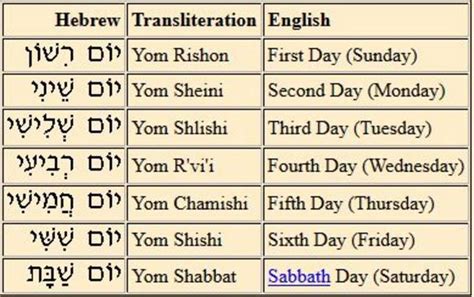
(NOTE: Sabbath Day (proper noun – name of the day of the week) = Hebrew: שַׁבָּת. Transliteration: shabbath. Sabbath = Seventh day / Saturday / Yom Shabbat / Sunset on Friday to sunset on Saturday. In accordance with Exodus 20:8–11, the Almighty Creator Himself commanded that the seventh day of the week to be kept holy as the Sabbath Day (COMMANDMENT #4). The purpose of this day of rest is to remind the children of Israel (Yisrael) that God (Elohim / Aluahym; 𐤉𐤄𐤅𐤄 / Yahuah) created the universe in six days and then rested on the seventh day. The Jews observe this holy day of rest (Sabbath day) from sunset on Friday until dusk on the following day while some believers of Yahuah and Yahusha observe this holy day of rest from dawn to dawn. The reason is because the Creator first created the light as in Genesis 1:3 (King James Version) 3 And God said, Let there be light: and there was light.)
DIAGRAM: Days of the Week in Hebrew – by Phillip Perry
sanctuary (noun ) meaning in the Bible
(NOTE: sanctuary (noun) = a consecrated place; such as: a) the ancient Hebrew temple at Jerusalem or its holy of holies. OR b) the most sacred part of a religious building (such as the part of a Christian church in which the altar is placed)
Satan (proper noun) meaning in the Bible
(NOTE: Satan (proper noun) = שָׁלוֹם (H7854) / Lucifer (H1966; הֵילֵל Helel – Word origin: Halal (H1984; to praise / to boast [self]) [before he was casted out from heaven] / Baphomet / Devil / Diablo [in Spanish] / Father of Lies / serpent / the enemy / Prince of the Air / Fallen Angel / morning star / shining one / Dragon / Beast / Roaring lion / The Accuser / Murderer / Beelzebub / Baal / Ba’al / Belial / Antichrist)
scattered (adjective) meaning in the Bible
(NOTE: scattered (adjective) = Strong’s Concordance: H1287. diaskorpizó: Original Word in Greek: διασκορπίζω = generally to separate, to winnow, to squander; distributed or widely spaced irregularly)
scribes (noun – plural of scribe) meaning in the Bible
(NOTE: scribes (noun – plural of scribe) = Jewish learned leaders trained to write and teach the Torah, the law of God (Elohim / Aluahym; 𐤉𐤄𐤅𐤄 / Yahuah))
scrip (noun) meaning in the Bible
(NOTE: scrip (noun) = 1 Samuel 17:40 describes this small bag that is attached to the girdle as “a shepherd’s pouch”. 1 Samuel 17:40 (KJV) And he took his staff in his hand, and chose him five smooth stones out of the brook, and put them in a shepherd’s bag which he had, even in a scrip; and his sling was in his hand: and he drew near to the Philistine.)
shake the dust off your feet (idiom) meaning in the Bible
(NOTE: shake the dust off your feet (idiom) = “Shake the dust off your feet” means to show disassociation or rejection of a place or those who rejected God’s truth, often used in a religious context to signify moving on from those who reject the message of faith. It originates from the New Testament, where Yahusha (the original name of the Messiah / Son of Yahuah) instructed his disciples to perform this act as a testimony against those who rejected God’s truth)
shalom (interjection) meaning in the Bible
(NOTE: shalom (interjection) = שָׁלוֹם (H7965) = Peace, completeness, welfare, well-being, safety, prosperity. Used as a traditional Jewish greeting or farewell)
Sodom and Gomorrha (Gomorrah) (proper nouns) meaning in the Bible
(NOTE: Sodom and Gomorrha (Gomorrah) (proper nouns) = The twin cities that God (Elohim / Aluahym; 𐤉𐤄𐤅𐤄 / Yahuah) destroyed completely due to sexual immoral sins (homosexuality) – Genesis 19)
statute (noun) meaning in the Bible
(NOTE: statute (noun) = חֻקָּה (H2708 . chuqqah) a written law passed by a legislative body; ordinance / decree / regulation / written law)
synagogue (noun) meaning in the Bible
(NOTE: synagogue (noun) = the building where a Jewish assembly or congregation meets for religious worship and instruction)
transgression (noun) meaning in the Bible
(NOTE: transgression (noun) = an act that goes against a law, rule, or code of conduct / moral principle; breach / offense)
tabernacle (noun) meaning in the Bible
(NOTE: tabernacle (noun) = (in Biblical use) a fixed or movable habitation, typically of light construction (a portable and ornate tent shrine); Tabernacle literally means ‘place of dwelling‘ and was so called in the belief that God (Elohim / Aluahym; 𐤉𐤄𐤅𐤄 / Yahuah) literally lived within its sacred confines. When Israel (Yisrael) camped, the tabernacle was set up in the precise center of the camp (symbolizing the idea that God (Elohim / Aluahym; 𐤉𐤄𐤅𐤄 / Yahuah) was to be the center of his people’s lives)
trespass (intransitive verb) meaning in the Bible
(NOTE: trespass (intransitive verb) = מַעַל (H4604 – maal) unfaithfulness / treachery / trespass / transgression, wrongdoing / offence / breach of law / misconduct)
wilderness (noun) meaning in the Bible
(NOTE: wilderness (noun) = an uncultivated, uninhabited and inhospitable region; wild, backwoods)
THE PROPER HEBREW NAME OF THE ALMIGHTY CREATOR
Isaiah 52:6 King James Version (KJV)
“Therefore MY PEOPLE SHALL KNOW MY NAME: therefore they shall know in that day that I am he that doth (He who does) speak: behold, it is I.”
The word ‘God’ is a noun. It is not God’s actual name.
EXAMPLE: “He is my father. He drives me to school every morning. His name is Johnny Lim.”
EXPLAINED: The word ‘father’ here is a noun. It is not the actual / proper name. ‘Johnny Lim’ is the actual / proper name.
QUESTION: What is God’s actual / proper name?
ANSWER: God’s actual name is as follows:-
(NOTE: YHUH (proper noun) = 𐤉𐤄𐤅𐤄 is the proper name of the God (Elohim / Aluahym; 𐤉𐤄𐤅𐤄 / Yahuah) of Israel (Yisrael). יהוה (H3068) in tetragrammaton: י (yad) ה (hay) ו (uau ) ה (hay)
IMPORTANT NOTE: Hebrew text is read from RIGHT to LEFT:-

(Click to enlarge)

THE ORGINAL HEBREW NAME OF THE MESSIAH
| Ancient / Paleo Hebrew | 𐤉𐤄𐤅𐤔𐤏 (Yahuah is Salvation) | 𐤌𐤔𐤉𐤇 (Messiah) |
| Modern Hebrew | יהושע (Yahusha = Yahuah is Salvation) | המשיח (ha‘Mashiach = The Anointed One) |
| Romanized (NOTE: Hebrew text is read from right to left) | Yahusha | ha‘Mashiach |
Yahusha (Jesus) was anointed by God (Elohim / Aluahym; 𐤉𐤄𐤅𐤄 / Yahuah) as the Savior / Messiah to save the sinners for those who believe in Him.
THE ORGINAL HEBREW NAME OF THE MESSIAH WAS TRANSLITERATED ALONG THE YEARS
TRANSLATION VS TRANSLITERATION
Translation involves converting text from one language to another while preserving its meaning, context, and tone.
In contrast, transliteration focuses on converting text from one script to another, maintaining the original sounds WITHOUT CONVEYING the meaning.
THE ORGINAL HEBREW NAME OF THE MESSIAH WAS TRANSLITERATED ALONG THE YEARS
1) יהושע (Hebrew 3091) romanized = Yahusha = God (Elohim / Aluahym; 𐤉𐤄𐤅𐤄 / Yahuah) saves
⬇ transliterated
into Greek as Iēsous (Ἰησοῦς)
⬇ transliterated
into Latin as Iesus
⬇ transliterated
into English as Jesus
2) משיח (Hebrew 4899) romanized : Mashiach = Anointed One / Messiah / Savior / Chosen One to save the sinners
⬇ transliterated
into Greek as Christos (Χριστός)
⬇ transliterated
into Latin as Christus
⬇ transliterated
into English as Christ
Therefore the FULL NAME of the Messiah in Hebrew alphabets is:-
IMPORTANT NOTE: Hebrew text is read from RIGHT to LEFT:-
יהושע משיח (Hebrew) = Yahusha Mashiach
יהושע המשיח (Hebrew) = Yahusha ha‘Mashiach = Jesus the Anointed One (English)

*** DIFFERENT SPELLING VERSIONS OF THE MESSIAH:-
Here are the explanations. PLEASE PAY ATTENTION TO EACH DETAIL EXPLAINED:-
1. SPELLING VERSION #1:-
Yeshua יֵשׁוּעַ (Hebrew 3442) means He will save. It is a shortened form of Yehoshooah / Yahushua יְהוֹשׁוּעַ (Hebrew 3091) = God saves. EXAMPLE #1: Mike is a shortened form of Michael. EXAMPLE #2: Josh is a shortened form of Joshua.
QUESTION: Does anyone like their name to be shortened? ANSWER: No.
QUESTION: Were our names shortened in any legal documents? ANSWER: No.
QUESTION: Is ‘Ye’ the name of the Creator? ANSWER: No, it is not. It is Yah.
2. SPELLING VERSION #2:-
Yehoshooah / Yehushua יְהוֹשׁוּעַ (Hebrew 3091) as spelled in this manner with the niqqud as a pronunciation guide.
shua שוע (Hebrew 7769) = to cry out > ש (sh = Shan / Shin) + u ו (u = Uau) + ע (a = Ayin)
QUESTION: If the Messiah came in the name of His Father (Yah) as in John 5:43, will it make sense that the Messiah’s name be “Yehoshooah” / “Yehushua” / “Yehusha”? ANSWER: No.
QUESTION: Is ‘Ye’ the name of the Creator? ANSWER: No, it is not. It is Yah.
QUESTION: Does this spelling version form the meaning of the Creator saves? ANSWER: No, it doesn’t.
3. SPELLING VERSION #3:-
Yahushua יהושוע (Hebrew 3091) as spelled in this manner (without the niqqud) depicts the Messiah came in the name of His Father, Yah יה (Hebrew 3050) means The Creator. Yahushua means Yah [I] cry out.
Yah יה (Hebrew 3050) is made of י (y = Yad) & הּ (ah = Hay) which means YAH (יה = The Creator),
u ו (u = Uau) = add
shua שוע (Hebrew 7769) = to cry out > ש (sh = Shan / Shin) + u ו (u = Uau) + ע (a = Ayin)
QUESTION: Does this spelling version form the meaning of the Creator saves? ANSWER: No, it doesn’t.
4. SPELLING VERSION #4:-
Yahusha (יהושע) as spelled in this manner (before the niqqud was created) depicts the Messiah came in the name of His Father and according to the original Pictographic Hebrew. Yahusha means Yahuah saves.
Yah יה (Hebrew 3050) is made of י (y = Yad) & הּ (ah = Hay) which means YAH (יה = The Creator),
u ו (u = Uau) = add
sha שע (sh = Shan / Shin) + ע (a = Ayin) (NOTE: The ‘sha‘ here comes from the root word Yasha)
ROOT WORD: Yasha ישע (Hebrew 3467) = to save / deliver / rescue > י (y = Yad) & הּ (ah = Hay) + ש (sh = Shan / Shin) + ע (a = Ayin).
SUMMARY: Only the spelling of ‘Yahusha‘ from SPELLING VERSION #4 shows the meaning of the Creator / Yahuah saves.
See the diagram below (in Pictograph Hebrew, Ancient / Paleo Hebrew and Modern Hebrew letters):-
THE NAME OF THE MESSIAH
IMPORTANT NOTE: Hebrew text is read from RIGHT to LEFT:-
(Click to enlarge)


DIAGRAM: Ancient Hebrew Alphabet Chart
ACKNOWLEDGMENT: Many thanks to Ancient Hebrew Education Center for the diagram below:-

ARTICLE
THE NAMES OF THE CREATOR AND HIS SON: https://www.explorationsunited.com/the-names-of-the-creator-and-his-son
GUIDE TO BE A BELIEVER / TO BE SAVED
To accept Jesus Christ (original name in Hebrew: Yahusha ha’Mashiach) as your personal Lord (Aḏon) and Savior and what to do next, click here.
Blessings.
In Christ (Mashiach) we serve
EXPLORATIONS UNITED
| Lookup a word or passage in the Bible |
|---|
|
|

HOME | ABOUT US | HERE 4 U | BIBLE 365 (with audio) | CHATROOMS | EVENTS | RESOURCES | CHRISTIAN SONGS & MUSIC | LIFE TIPS

QR Code for EXPLORATIONS UNITED’s website:-


SCRIPTURE REFERENCES FOR SPIRITUAL AWAKENING
Here are some important Scripture references for spiritual awakening. Please remember to read your Holy Bible and prayer everyday because this is how our heavenly Father speaks to us. Make sure you read the entire Holy Bible. Write down every commandment, statutes (written laws) and instructions given. Obey and practice ALL OF THEM.
Having difficulties to discipline yourself to read the Holy Bible daily? Then you are in trouble! Stop deceiving yourselves!
WARNING from God (Elohim / Aluahym; 𐤉𐤄𐤅𐤄 / Yahuah) Himself: The Word of God (Elohim / Aluahym; 𐤉𐤄𐤅𐤄 / Yahuah) warned that if we do not have His word abiding (remaining) in us, then we are NOT believers (saved)! WAKE UP PEOPLE! Read John 5:38:-
John 5:38 King James Version (KJV)
And ye (you) have not his word (His Word) abiding (remaining) in you: for whom he hath (He / Yahuah has) sent, him ye believe not (Him you not believe).
Revelation 22:14 King James Version (KJV)
14 Blessed are they that do his (His) commandments, that they may have right to the tree of life, and may enter in through the gates into the city.
James 1:22 King James Version (KJV)
But be ye (you) doers of the word (Word), and not hearers only, deceiving your own selves.
Galatians 6:7 King James Version (KJV)
Be not deceived; God (Elohim / Aluahym; 𐤉𐤄𐤅𐤄 / Yahuah) is not mocked: for whatsoever a man soweth (sows / puts in / plants / spreads), that shall he also reap (harvest / attain / get).
Galatians 6:3 King James Version (KJV)
For if a man think himself to be something, when he is nothing, he deceiveth (deceives, is deceiving) himself.
1 Corinthians 15:33 King James Version (KJV)
Be not deceived: evil communications corrupt good manners.
Colossians 2:8 King James Version (KJV)
Beware lest any man (Beware, otherwise others may) spoil you through philosophy and vain deceit (deception), after the tradition of men, after the rudiments of the world, and not after Christ (following the elementary principles of this world, rather than following [the truth—the teachings of] Mashiach).
1 Thessalonians 5:11 King James Version (KJV)
“Wherefore comfort yourselves together, and edify one another, even as also ye (you) do.”
Hebrews 3:13 King James Version (KJV)
But exhort one another daily, while it is called To day; lest any of you be hardened through the deceitfulness of sin.
John 7:27 King James Version (KJV)
Judge not according to the appearance, but judge righteous judgment.
Matthew 7:1-5 King James Version (KJV)
1 Judge not, that ye (you) be not judged.
(AMP BIBLE: 1 Do not judge and criticize and condemn [others unfairly with an attitude of self-righteous superiority as though assuming the office of a judge], so that you will not be judged [unfairly].)
2 For with what judgment ye (you) judge, ye (you) shall be judged: and with what measure ye mete (you punish), it shall be measured to you again.
(AMP BIBLE: 2 For just as you [hypocritically] judge others [when you are sinful and unrepentant], so will you be judged; and in accordance with your standard of measure [used to pass out judgment], judgment will be measured to you.)
3 And why beholdest thou the mote (And why do you look at the tiny piece / speck) that is in thy (your) brother’s eye, but considerest (consider / notice) not the beam (long timber / log) that is in thine (your) own eye?
4 Or how wilt thou (will you) say to thy (your) brother, Let me pull out the mote (tiny piece / speck) out of thine (your) eye; and, behold, a beam (long timber / log) is in thine (your) own eye?
5 Thou (You) hypocrite, first cast (throw) out the beam out of thine (your) own eye; and then shalt thou see (shall you) clearly to cast (throw) out the mote (tiny piece / speck) out of thy (your) brother’s eye.
Matthew 6:14-15 King James Version (KJV)
14 For if ye (you) forgive men their trespasses (wrongdoings / sins), your heavenly Father will also forgive you:
15 But if ye forgive not (For if you do not forgive) men their trespasses (wrongdoings / sins), neither will your Father forgive your trespasses (wrongdoings / sins).
Matthew 6:14-15 King James Version (KJV)
14 For if ye (you) forgive men their trespasses (wrongdoings / sins), your heavenly Father will also forgive you:
15 But if ye forgive not (For if you do not forgive) men their trespasses (wrongdoings / sins), neither will your Father forgive your trespasses (wrongdoings / sins).
Matthew 10:8 King James Version (KJV)
Heal the sick, cleanse the lepers, raise the dead, cast (drive) out devils: freely ye (you) have received, freely give.
John 3:3 Amplified Bible (AMP)
Jesus (Yahusha) answered him, “I assure you and most solemnly (seriously) say to you, unless a person is born again [reborn from above—spiritually transformed, renewed, sanctified], he cannot [ever] see and experience the kingdom of God (Elohim / Aluahym; 𐤉𐤄𐤅𐤄 / Yahuah).”
John 3:16-18 King James Version (KJV)
16 For God (Elohim / Aluahym; 𐤉𐤄𐤅𐤄 / Yahuah) so loved the world, that he gave his (that He gave His) only begotten Son [Yahusha ha’Mashiach], that whosoever believeth in him (believes in Him) should not perish, but have everlasting (eternal) life.
17 For God (Elohim / Aluahym; 𐤉𐤄𐤅𐤄 / Yahuah) sent not his (did not send His) Son into the world to condemn (disapprove) the world; but that the world through him (Him) might be saved.
18 He that believeth on him (believes [and] decided to trust Him [as personal Savior and Adon]) is not condemned: but he that believeth not believeth (but he that does not believe) is condemned already, because he hath (has) not believed in the name of the only begotten Son of God (Yahusha ha’Mashiach).
Jeremiah 29:13 – King James Version (KJV)
“And ye (you) shall seek me (Me), and find me (Me), when ye (you) shall search for me (Me) with all your heart.”
Jeremiah 6:16 King James Version (KJV)
16 Thus saith (says) the Lord (Adonai; 𐤉𐤄𐤅𐤄 / Yahuah), Stand ye (you) in the ways, and see, and ask for the old (ancient) paths, where is the good way, and walk therein, and ye (you) shall find rest for your souls. But they said, We will not walk therein.
Acts 4:12 King James Version (KJV)
Neither is there salvation in any other: for there is none other name under heaven given among men, whereby we must be saved.
Isaiah 52:6 King James Version (KJV)
“Therefore MY PEOPLE SHALL KNOW MY NAME: therefore they shall know in that day that I am he that doth (He who does) speak: behold, it is I.”
Malachi 2:2 King James Version (KJV)
“If ye (you) will not hear, and if ye will not lay it to heart (you will not take it seriously), to give glory unto my (My) name, saith (says) the Lord (Adonai; 𐤉𐤄𐤅𐤄 / Yahuah) of hosts, I WILL EVEN SEND A CURSE UPON YOU, and I will curse your blessings: yea (yes), I have cursed them already, because ye do not lay it to heart (because you do not take it seriously).”
EDIFY AND ENCOURAGE ONE ANOTHER ALWAYS:-
1 Thessalonians 5:11 King James Version (KJV)
“Wherefore comfort yourselves together, and edify one another, even as also ye (you) do.”
Hebrews 3:13 King James Version (KJV)
But exhort one another daily, while it is called To day; lest any of you be hardened through the deceitfulness of sin.
Blessings