Today’s readings – Apr 4:-
NEW TESTAMENT: Luke 8:1-25 (Luqas 8:1-25)
OLD TESTAMENT: RUTH 1,2,3,4 (RUTH 1,2,3,4)
(IMPORTANT NOTE: Word meanings in the brackets are from the dictionaries, AMP Bible, Hebrew words, Strong Concordance and Yah Scriptures Bible as learning aid. GOAL: To restore the original proper name (Isaiah 52:6) of the Only Almighty Most High True Living Creator of the universe and the name of His Son, the Messiah / Savior who was sent by Him to save the repented sinners as in John 3:16-18, John 3:3 & Matthew 3:8 which were removed and replaced with pagan words or words with bad meanings. As for the audio Bible, currently it is still the King James Version audio Bible. It will be replaced [with the audio Bible which is using the Hebrew names] someday when it is fully available)
Exodus 23:13 King James Version (KJV)
And in all things that I have said unto you be circumspect (guarded / careful / wary): and make no mention of the name of other gods, neither let it be heard out of thy (your) mouth.
EXAMPLE of RESTORATION #1: G*d is restored to Elohim (plural) / El (singular) / 𐤉𐤄𐤅𐤄 / YHUH / Yahuah (His proper name).
EXAMPLE of RESTORATION #2: J*sus Chr*st is restored to Yahusha Mashiach / Yahusha ha’Mashiach.
EXAMPLE of RESTORATION #3: L*rd / L*RD is restored to 𐤉𐤄𐤅𐤄 / YHUH / Yahuah (His proper name) / Adon / Adonai / Master depending of the context of the scripture.
EXAMPLE of RESTORATION #4: H*ly Spirit is restored to Ruach ha’Qodesh (Sacred Ruach of 𐤉𐤄𐤅𐤄 / YHUH / Yahuah the Most High Almighty One and Only Creator).
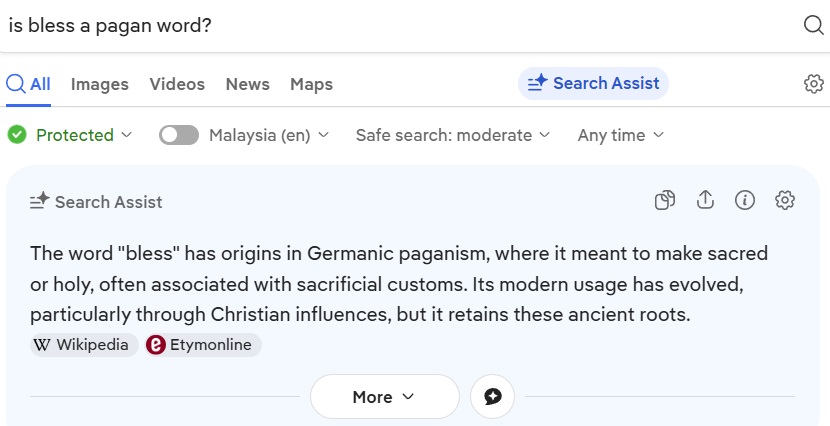
EXAMPLE of RESTORATION #5: bl*ss is restored to baruk (see the screen capture below).
Isaiah 52:6 King James Version (KJV)
“Therefore MY PEOPLE SHALL KNOW MY NAME: therefore they shall know in that day that I am he that doth (He who does) speak: behold, it is I.”
(NOTE: Hebrew is read from right to left)
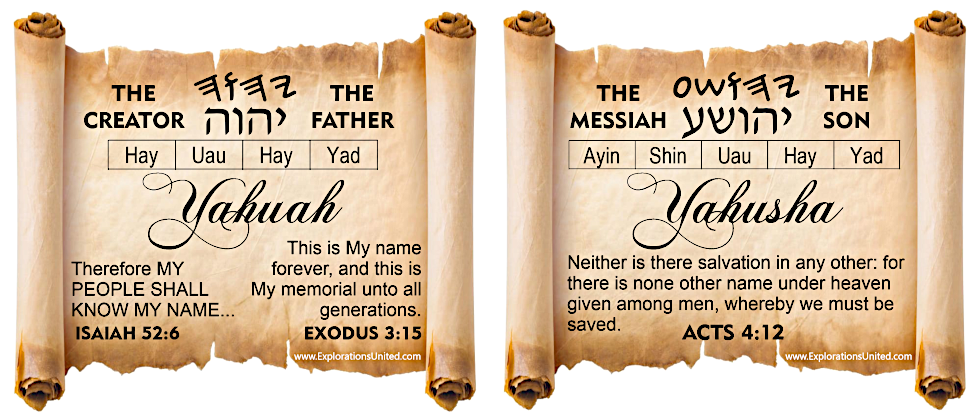
(Click on the banner to enlarge)
INVITATION: Come join us for the Daily Devotional Bible Study online live session (1 year reading plan – since Oct 2021). Click here for full details. You can join from whichever country you are in.
– Begin of daily reading for Apr 4 – Day 095
Luke 8:1-25
King James Version audio with speed control:-
(NOTE: To pause and to play again, press Fn + F5 on your keyboard)
Background music:-
Women Who Followed Yahusha
8 And it came to pass afterward, that he (He) went throughout every city and village, preaching and shewing (showing) the glad tidings (good news) of the kingdom of 𐤉𐤄𐤅𐤄 / YHUH / Yahuah: and the twelve were with him (Him),
2 And certain women, which had been healed of evil spirits and infirmities (diseases), Mary called Magdalene, out of whom went seven devils (from whom seven demons had come out),
3 And Joanna the wife of Chuza Herod’s steward, and Susanna, and many others, which ministered unto him of their substance (who were contributing to their support out of their private means [as was the custom for a rabbi’s disciples]).
PARABLE: The Sower Scattering Seed
4 And when much people were gathered together, and were come to him (Him) out of every city, he spake (spoke) by a parable:
(NOTE: parable (noun) = a simple story used to illustrate a moral or spiritual lesson, as told by Yahusha in the Gospels)
5 A sower went out to sow his seed: and as he sowed, some fell by the way side; and it was trodden down, and the fowls of the air devoured it.
6 And some fell upon a rock; and as soon as it was sprung up, it withered away (dried up), because it lacked moisture.
7 And some fell among thorns; and the thorns sprang up with it, and choked it.
8 And other fell on good ground, and sprang up, and bare fruit an hundredfold (a hundred times as great). And when he (He) had said these things, he (He) cried, He that hath (has) ears to hear, let him hear.
9 And his (His) disciples asked him (Him), saying, What might this parable be?
10 And he (He) said, Unto you it is given to know the mysteries of the kingdom of 𐤉𐤄𐤅𐤄 / YHUH / Yahuah: but to others in parables; that seeing they might not see, and hearing they might not understand.
11 Now the parable is this: The seed is the word (Word) of 𐤉𐤄𐤅𐤄 / YHUH / Yahuah.
12 Those by the way side are they that hear; then cometh (comes) the devil, and taketh (takes) away the word out of their hearts, lest they should believe and be saved.
13 They on the rock are they, which, when they hear, receive the word with joy; and these have no root, which for a while believe, and in time of temptation fall away.
14 And that which fell among thorns are they, which, when they have heard, go forth, and are choked with cares and riches and pleasures of this life, and bring no fruit to perfection.
15 But that on the good ground are they, which in an honest and good heart, having heard the word, keep it, and bring forth fruit with patience.
PARABLE: The Candle
16 No man, when he hath (has) lighted a candle, covereth (covers) it with a vessel (container), or putteth (puts) it under a bed; but setteth (sets) it on a candlestick, that they which enter in may see the light.
17 For nothing is secret, that shall not be made manifest; neither any thing hid (neither anything is hidden), that shall not be known and come abroad.
18 Take heed therefore how ye hear (So be careful of what you hear): for whosoever hath (has) [a teachable heart], to him shall be given [understanding]; and whosoever hath (has) not [a longing for truth], from him shall be taken even that which he seemeth to have (even what he thinks he has will be taken away from him).
The True Family of Yahusha
19 Then came to him his (Him His) mother and his brethren (His brothers), and could not come at him (Him) for the press (because of the crowd).
20 And it was told him (And He was told) by certain which said, Thy (Your) mother and thy brethren (your brothers) stand without, desiring to see thee (you).
21 And he (He) answered and said unto them, My mother and my brethren are these which hear the word (Word) of 𐤉𐤄𐤅𐤄 / YHUH / Yahuah, and do it.
Yahusha Calms the Storm
22 Now it came to pass on a certain day, that he (He) went into a ship with his (His) disciples: and he (He) said unto them, Let us go over unto the other side of the lake. And they launched forth.
23 But as they sailed he (He) fell asleep: and there came down a storm of wind on the lake; and they were filled with water, and were in jeopardy (great danger).
24 And they came to him (Him), and awoke him (Him), saying, Master, master, we perish. Then he (He) arose, and rebuked the wind and the raging of the water: and they ceased (stopped), and there was a calm.
25 And he (He) said unto them, Where is your faith? And they being afraid wondered, saying one to another, What manner of man is this! for he commandeth (because He commands) even the winds and water, and they obey him (Him).
OLD TESTAMENT
Ruth 1
King James Version audio with speed control:-
(NOTE: To pause and to play again, press Fn + F5 on your keyboard)
Background music:-
Elimelech Moves His Family to Moab
1 Now it came to pass in the days when the judges ruled, that there was a famine in the land. And a certain man of Bethlehemjudah went to sojourn in the country of Moab, he, and his wife, and his two sons.
2 And the name of the man was Elimelech, and the name of his wife Naomi, and the name of his two sons Mahlon and Chilion, Ephrathites of Bethlehemjudah. And they came into the country of Moab, and continued there.
3 And Elimelech Naomi’s husband died; and she was left, and her two sons.
4 And they took them wives of the women of Moab; the name of the one was Orpah, and the name of the other Ruth: and they dwelled there about ten years.
5 And Mahlon and Chilion died also both of them; and the woman was left of her two sons and her husband.
Naomi and Ruth Return
6 Then she arose with her daughters in law, that she might return from the country of Moab: for she had heard in the country of Moab how that 𐤉𐤄𐤅𐤄 / YHUH / Yahuah had visited his people in giving them bread.
7 Wherefore she went forth out of the place where she was, and her two daughters in law with her; and they went on the way to return unto the land of Judah.
8 And Naomi said unto her two daughters in law, Go, return each to her mother’s house: 𐤉𐤄𐤅𐤄 / YHUH / Yahuah deal kindly with you, as ye (you) have dealt with the dead, and with me.
9 𐤉𐤄𐤅𐤄 / YHUH / Yahuah grant you that ye (you) may find rest, each of you in the house of her husband. Then she kissed them; and they lifted up their voice, and wept.
10 And they said unto her, Surely we will return with thee (you) unto thy (your) people.
11 And Naomi said, Turn again, my daughters: why will ye (you) go with me? are there yet any more sons in my womb, that they may be your husbands?
12 Turn again, my daughters, go your way; for I am too old to have an (a) husband. If I should say, I have hope, if I should have an husband also to night, and should also bear sons;
13 Would ye (you) tarry for them till they were grown? would ye (you) stay for them from having husbands? nay (no), my daughters; for it grieveth (grieves) me much for your sakes that the hand of 𐤉𐤄𐤅𐤄 / YHUH / Yahuah is gone out against me.
14 And they lifted up their voice, and wept again: and Orpah kissed her mother in law; but Ruth clave unto her.
15 And she said, Behold (Look), thy (your) sister in law is gone back unto her people, and unto her gods: return thou (you) after thy (your) sister in law.
16 And Ruth said, Intreat me not (Do not urge me) to leave thee (you), or to return from following after thee (you): for whither thou goest (you go), I will go; and where thou lodgest (you lodge) , I will lodge: thy (your) people shall be my people, and thy (your) Elohim my 𐤉𐤄𐤅𐤄 / YHUH / Yahuah:
17 Where thou diest (you die), will I die, and there will I be buried: 𐤉𐤄𐤅𐤄 / YHUH / Yahuah do so to me, and more also, if ought but death part thee (you) and me.
18 When she saw that she was stedfastly (steadfastly) minded to go with her, then she left speaking unto her.
19 So they two went until they came to Bethlehem. And it came to pass, when they were come to Bethlehem, that all the city was moved about them, and they said, Is this Naomi?
20 And she said unto them, Call me not Naomi, call me Mara: for the Almighty hath (has) dealt very bitterly with me.
21 I went out full and 𐤉𐤄𐤅𐤄 / YHUH / Yahuah hath (has)brought me home again empty: why then call ye (you) me Naomi, seeing 𐤉𐤄𐤅𐤄 / YHUH / Yahuah hath (has) testified against me, and the Almighty hath (has) afflicted me?
22 So Naomi returned, and Ruth the Moabitess, her daughter in law, with her, which returned out of the country of Moab: and they came to Bethlehem in the beginning of barley harvest.
Ruth 2
King James Version audio with speed control:-
(NOTE: To pause and to play again, press Fn + F5 on your keyboard)
Background music:-
Ruth Works in Boaz’s Field
2 And Naomi had a kinsman (relative) of her husband’s, a mighty man of wealth, of the family of Elimelech; and his name was Boaz.
2 And Ruth the Moabitess said unto Naomi, Let me now go to the field, and glean ears of corn after him in whose sight I shall find grace. And she said unto her, Go, my daughter.
3 And she went, and came, and gleaned in the field after the reapers: and her hap was to light on a part of the field belonging unto Boaz, who was of the kindred (family) of Elimelech.
4 And, behold (look), Boaz came from Bethlehem, and said unto the reapers, 𐤉𐤄𐤅𐤄 / YHUH / Yahuah be with you. And they answered him, 𐤉𐤄𐤅𐤄 / YHUH / Yahuah baruk thee (you).
5 Then said Boaz unto his servant that was set over the reapers, Whose damsel (young unmarried woman) is this?
6 And the servant that was set over the reapers answered and said, It is the Moabitish damsel that came back with Naomi out of the country of Moab:
7 And she said, I pray you, let me glean and gather after the reapers among the sheaves: so she came, and hath (has) continued even from the morning until now, that she tarried a little in the house (except when she sat [resting] for a little while in the [field] house).
8 Then said Boaz unto Ruth, Hearest thou (Hear you) not, my daughter? Go not to glean in another field, neither go from hence (here), but abide here fast by my maidens (but stay here close by my maids):
9 Let thine (your) eyes be on the field that they do reap, and go thou (you) after them: have I not charged the young men that they shall not touch thee (you)? and when thou art athirst, go unto the vessels, and drink of that which the young men have drawn (And when you are thirsty, go to the [water] jars and drink from what the servants draw).
10 Then she fell on her face, and bowed herself to the ground, and said unto him, Why have I found grace in thine (your) eyes, that thou shouldest (you should) take knowledge of me, seeing I am a stranger?
11 And Boaz answered and said unto her, It hath (has) fully been shewed me, all that thou hast (you have) done unto thy (your) mother in law since the death of thine (your) husband: and how thou hast left thy (and how you have your) father and thy (your) mother, and the land of thy (your) nativity, and art (are) come unto a people which thou knewest not heretofore (that you did not know before).
12 𐤉𐤄𐤅𐤄 / YHUH / Yahuah recompense thy (your) work, and a full reward be given thee (you) of 𐤉𐤄𐤅𐤄 / YHUH / Yahuah Elohim of Israel, under whose wings thou art (you are) come to trust.
13 Then she said, Let me find favour in thy (your) sight, my lord; for that thou hast (you have) comforted me, and for that thou hast (you have) spoken friendly unto thine (your) handmaid, though I be not like unto one of thine (your) handmaidens.
14 And Boaz said unto her, At mealtime come thou hither (come here), and eat of the bread, and dip thy morsel (your small piece of bread) in the vinegar. And she sat beside the reapers: and he reached her parched corn, and she did eat, and was sufficed, and left.
15 And when she was risen up to glean, Boaz commanded his young men, saying, Let her glean even among the sheaves, and reproach her not:
16 And let fall also some of the handfuls of purpose for her, and leave them, that she may glean them, and rebuke her not (and do not insult her).
17 So she gleaned in the field until even, and beat out that she had gleaned: and it was about an ephah of barley.
18 And she took it up, and went into the city: and her mother in law saw what she had gleaned: and she brought forth, and gave to her that she had reserved after she was sufficed (satisfied).
19 And her mother in law said unto her, Where hast thou (have you) gleaned to day? and where wroughtest thou (and where did you work)? blessed be he that did take knowledge of thee (you). And she shewed (showed) her mother in law with whom she had wrought (worked), and said, The man’s name with whom I wrought to day is Boaz.
20 And Naomi said unto her daughter in law, Blessed be he of 𐤉𐤄𐤅𐤄 / YHUH / Yahuah, who hath (has) not left off his kindness to the living and to the dead. And Naomi said unto her, The man is near of kin unto (a close relative to) us, one of our next kinsmen (closest relatives).
21 And Ruth the Moabitess said, He said unto me also, Thou shalt (You shall) keep fast by my young men, until they have ended all my harvest.
22 And Naomi said unto Ruth her daughter in law, It is good, my daughter, that thou (you) go out with his maidens, that they meet thee (you) not in any other field.
23 So she kept fast by the maidens of Boaz to glean unto the end of barley harvest and of wheat harvest; and dwelt (lived) with her mother in law.
Ruth 3
King James Version audio with speed control:-
(NOTE: To pause and to play again, press Fn + F5 on your keyboard)
Background music:-
Ruth at the Threshingfloor
3 Then Naomi her mother in law said unto her, My daughter, shall I not seek rest for thee (you), that it may be well with thee (you)?
2 And now is not Boaz of our kindred (relative), with whose maidens thou wast (with whose maids you were [working])? Behold (Look), he winnoweth (is winnowing) barley to night in the threshingfloor.
3 Wash thyself (yourself) therefore, and anoint thee (you), and put thy raiment (your clothes) upon thee (you), and get thee (you) down to the floor: but make not thyself (yourself) known unto the man, until he shall have done eating and drinking.
4 And it shall be, when he lieth (lies) down, that thou shalt (you shall) mark the place where he shall lie, and thou shalt (you shall) go in, and uncover his feet, and lay thee (you) down; and he will tell thee (you) what thou shalt (you shall) do.
5 And she said unto her, All that thou sayest unto (you say to) me I will do.
6 And she went down unto the floor, and did according to all that her mother in law bade her (had told her).
7 And when Boaz had eaten and drunk, and his heart was merry, he went to lie down at the end of the heap of corn: and she came softly, and uncovered his feet, and laid her down (and lay down).
8 And it came to pass at midnight, that the man was afraid, and turned himself: and, behold (look), a woman lay at his feet.
9 And he said, Who art thou (are you)? And she answered, I am Ruth thine (your) handmaid: spread therefore thy (your) skirt over thine (your) handmaid; for thou art (because you are) a near kinsman (relative).
10 And he said, Blessed be thou (you) of 𐤉𐤄𐤅𐤄 / YHUH / Yahuah, my daughter: for thou hast shewed (you have shown) more kindness in the latter end than at the beginning, inasmuch as thou followedst not young men (considering that you have not gone after young men), whether poor or rich.
11 And now, my daughter, fear not; I will do to thee (you) all that thou requirest (you require): for all the city of my people doth (do) know that thou art (you are) a virtuous woman (a woman of excellence).
12 And now it is true that I am thy near kinsman (your near relative): howbeit there is a kinsman nearer than I.
13 Tarry this night (Spend the night [here]), and it shall be in the morning, that if he will perform unto thee (you) the part of a kinsman, well; let him do the kinsman’s part: but if he will not do the part of a kinsman (relative) to thee (you), then will I do the part of a kinsman (relative) to thee (you), as 𐤉𐤄𐤅𐤄 / YHUH / Yahuah liveth (lives): lie down until the morning.
14 And she lay at his feet until the morning: and she rose up before one could know another. And he said, Let it not be known that a woman came into the floor.
15 Also he said, Bring the vail that thou hast upon thee (Give me the shawl you are wearing and hold it out), and hold it. And when she held it, he measured six measures of barley, and laid it on her: and she went into the city.
16 And when she came to her mother in law, she said, Who art thou (Who are you), my daughter? And she told her all that the man had done to her.
17 And she said, These six measures of barley gave he me; for he said to me, Go not empty unto thy (your) mother in law.
18 Then said she, Sit still, my daughter, until thou (you) know how the matter will fall: for the man will not be in rest, until he have finished the thing this day.
Ruth 4
King James Version audio with speed control:-
(NOTE: To pause and to play again, press Fn + F5 on your keyboard)
Background music:-
Boaz Marries Ruth
4 Then went Boaz up to the gate, and sat him down there: and, behold, the kinsman of whom Boaz spake (spoke) came by; unto whom he said, Ho, such a one! turn aside, sit down here. And he turned aside, and sat down.
2 And he took ten men of the elders of the city, and said, Sit ye (you) down here. And they sat down.
3 And he said unto the kinsman, Naomi, that is come again out of the country of Moab, selleth (is selling) a parcel of land, which was our brother Elimelech’s:
4 And I thought to advertise thee (you), saying, Buy it before the inhabitants, and before the elders of my people. If thou wilt (you will) redeem it, redeem it: but if thou wilt (you will) not redeem it, then tell me, that I may know: for there is none to redeem it beside thee (you); and I am after thee (you). And he said, I will redeem it.
5 Then said Boaz, What day thou buyest (you buy) the field of the hand of Naomi, thou (you) must buy it also of Ruth the Moabitess, the wife of the dead, to raise up the name of the dead upon his inheritance.
6 And the kinsman said, I cannot redeem it for myself, lest I mar mine own inheritance: redeem thou (you) my right to thyself (yourself); for I cannot redeem it.
7 Now this was the manner in former time in Israel concerning redeeming and concerning changing, for to confirm all things; a man plucked off his shoe, and gave it to his neighbour: and this was a testimony in Israel.
8 Therefore the kinsman (relative) said unto Boaz, Buy it for thee (you). So he drew off his shoe.
9 And Boaz said unto the elders, and unto all the people, Ye (You) are witnesses this day, that I have bought all that was Elimelech’s, and all that was Chilion’s and Mahlon’s, of the hand of Naomi.
10 Moreover Ruth the Moabitess, the wife of Mahlon, have I purchased to be my wife, to raise up the name of the dead upon his inheritance, that the name of the dead be not cut off from among his brethren, and from the gate of his place: ye (you) are witnesses this day.
11 And all the people that were in the gate, and the elders, said, We are witnesses. 𐤉𐤄𐤅𐤄 / YHUH / Yahuah make the woman that is come into thine (your) house like Rachel and like Leah, which two did build the house of Israel: and do thou (you) worthily in Ephratah, and be famous in Bethlehem:
12 And let thy (your) house be like the house of Pharez, whom Tamar bare unto Judah, of the seed which 𐤉𐤄𐤅𐤄 / YHUH / Yahuah shall give thee (you) of this young woman.
The Descendants of Boaz
13 So Boaz took Ruth, and she was his wife: and when he went in unto her, 𐤉𐤄𐤅𐤄 / YHUH / Yahuah gave her conception, and she bare a son.
14 And the women said unto Naomi, Baruk be 𐤉𐤄𐤅𐤄 / YHUH / Yahuah, which hath (has) not left thee (you) this day without a kinsman (relative), that his name may be famous in Israel.
15 And he shall be unto thee (you) a restorer of thy (your) life, and a nourisher of thine (your) old age: for thy (your) daughter in law, which loveth thee (you), which is better to thee (you) than seven sons, hath (has) born him.
16 And Naomi took the child, and laid it in her bosom, and became nurse unto it.
17 And the women her neighbours gave it a name, saying, There is a son born to Naomi; and they called his name Obed: he is the father of Jesse, the father of David.
18 Now these are the generations of Pharez: Pharez begat Hezron,
19 And Hezron begat Ram, and Ram begat Amminadab,
20 And Amminadab begat Nahshon, and Nahshon begat Salmon,
21 And Salmon begat Boaz, and Boaz begat Obed,
22 And Obed begat Jesse, and Jesse begat David.
– End of daily reading for Apr 4 – Day 095
> COMMENCEMENT OF A NEW BOOK (New Testament): Nil
BOOK OVERVIEW (New Testament): Luke (24 Chapters) (Original language: Greek)
Timeline: Between 58 and 65 A.D.
Author: Luke, a Gentile physician who accompanied Paul on his missions.
Objective / Purpose: Theophilus was the intended reader of this book, which aims to provide him with the complete truth on the faith’s doctrine and history as presented to him.
Audience / Attendees / Spectators / Listeners: Theophilus and all believers in Yahusha
> COMMENCEMENT OF A NEW BOOK (Old Testament): Ruth
BOOK OVERVIEW (Old Testament): Ruth (4 Chapters) (Original language: Hebrew)
Timeline: Possibly between 1370 to 1041 B.C.
Author: Unknown, perhaps Samuel.
Objective / Purpose: This book was written so we can learn from a Moabite woman named Ruth. She was married to the son of an Israelite. She was a very good daughter-in-law to Naomi. Ruth was faithful to 𐤉𐤄𐤅𐤄 / YHUH / Yahuah and Naomi which because of this, 𐤉𐤄𐤅𐤄 / YHUH / Yahuah blessed her and Naomi.
Audience / Attendees / Spectators / Listeners: The Israelites
> TODAY’S SCRIPTURE READING TOPICS OVERVIEW:-
NEW TESTAMENT:-
1) Women Who Followed Yahusha
2) PARABLE: The Sower Scattering Seed
3) PARABLE: The Candle
4) The True Family of Yahusha
5) Yahusha Calms the Storm
OLD TESTAMENT:-
1) Elimelech Moves His Family to Moab
2) Naomi and Ruth Return
3) Ruth Works in Boaz’s Field
4) Ruth at the Threshingfloor
5) Boaz Marries Ruth
6) The Descendants of Boaz
> TODAY’S READING TOPICS (New Testament): Luke 8:1-25: 1) Women Who Followed Yahusha 2) PARABLE: The Sower Scattering Seed 3) PARABLE: The Candle 4) The True Family of Yahusha 5) Yahusha Calms the Storm
> TODAY’S READING TOPICS (Old Testament): Ruth 1,2,3,4: 1) Elimelech Moves His Family to Moab 2) Naomi and Ruth Return 3) Ruth Works in Boaz’s Field 4) Ruth at the Threshingfloor 5) Boaz Marries Ruth 6) The Descendants of Boaz
ACTIVITIES
VIDEOS
(DISCLAIMER: Please take that what the owner of the video below is mentioned in the description)
VIDEO: The Story of Ruth (2 hours 11 mins 39 secs)
– by Cornel Gheres
SONGS
DIAGRAMS
KEY POINTS
FOOTNOTES
7 Feasts of the 𐤉𐤄𐤅𐤄 / YHUH / YAHUAH, The (proper noun – name of a group of festivals) meaning in the Bible
(NOTE: 7 Feasts of the 𐤉𐤄𐤅𐤄 / YAHUAH / YHUH, The (proper noun – name of a group of festivals) = 𐤉𐤄𐤅𐤄 / YHUH / Yahuah has appointed and ordered these 7 Feasts to uphold His name. The Jewish and believers in Yahuah & Yahusha (the original Hebrew name of J*sus) have been observing these 7 Feasts until this day)
Aḏon (title) meaning in the Bible
(NOTE: Aḏon (title) = אֲדוֹן (H113) = Lord / master / owner)
Adonai / Adonay (title) meaning in the Bible
(NOTE: Adonai / Adonay (title) = אֲדֹנָי (H136) – Pronunciation: ah-doe-NIGH = [My] Lord / Master)
Amen (adverb) meaning in the Bible
(NOTE: Amen (adverb) = אָמֵן (H543. Amen) An Abrahamic declaration of affirmation which is first found in the Hebrew Bible. It means truly/ verily)
ascribe (verb) meaning in the Bible
(NOTE: ascribe (verb)= (1) to credit or assign (something) to a supposed cause; impute; attribute (2) to regard (something) as belonging to or coming from someone. EXAMPLE #1:Deuteronomy 32:3 Because I will publish the name of 𐤉𐤄𐤅𐤄 / YHUH / Yahuah: ascribeye (you) greatness unto our Elohim / Aluahym. EXAMPLE #2: Job 36:3 I will fetch my knowledge from afar, and will ascribe righteousness to my Maker)
atone (intransitiveverb) meaning in the Bible
(NOTE: atone (intransitive verb) = כָּפַר (H3722 – kaphar) to cover (specifically with bitumen); figuratively, to expiate / condone / placate / cancel / appease / cleanse /disannul / forgive / be merciful /pacify /pardon / purge (away) / put off / make reconciliation)
atonement (noun) meaning in the Bible
(NOTE: atonement (noun) = כָּפַר (H3722 – kaphar – a primitive root); an act to cover (specifically with bitumen); figuratively, an act to expiate or condone / placate / cancel: a cleansing, a disannulment, a forgiveness, mercy, pardon, purge (away), putting off, reconciliation). Example of usage in a sentence:Numbers 15:2525 And the priest shall make an atonementfor all the congregation of the children of Israel, and it shall be forgiven them; for it is ignorance: and they shall bring their offering, a sacrifice made by fire unto Adonai; 𐤉𐤄𐤅𐤄 / Yahuah, and their sin offering before 𐤉𐤄𐤅𐤄 / YHUH / Yahuah, for their ignorance:)
Baal (proper noun) meaning in the Bible
(NOTE: Baal / Ba’al (proper noun) = בַּעַלa (H1167) = Lord, master, owner, husband, a proper noun referring to a Canaanite deity. This Canaanite-Phoenician idol [opposite of the One True Almighty Creator / Elohim / 𐤉𐤄𐤅𐤄 / Yahuah] which looks like a cow with two horns and is associated with or equivalent Satan / Devil or His demons). An association in opposition of the One True Almighty Creator / Elohim / 𐤉𐤄𐤅𐤄 / Yahuah: Satan = שָׁלוֹם (Hebrew 7854) / Lucifer (Hebrew 1966; הֵילֵל Helel – Word origin: Halal 1984; to praise / to boast [self]) [before he was casted out from heaven] / Baphomet / Devil / Diablo [in Spanish] / Father of Lies / serpent / the enemy / Prince of the Air / Fallen Angel / morning star / shining one / Dragon / Beast / Roaring lion / The Accuser / Murderer / Beelzebub / Belial / Baalim / Antichrist and etc.)
Balaam(proper noun) meaning in the Bible
(NOTE: Balaam (proper noun) = Balaam was a wicked prophet in the Bible whose heart was not right with 𐤉𐤄𐤅𐤄 / YHUH / Yahuah (the Most High Creator). He betrayed Israel and lead them astray (Numbers 22-24)
bastard (noun) meaning in the Bible
(NOTE: bastard (noun) = A person born to parents not married to each other)
bare false witness / bear false witness (verb – in a phrase form) meaning in the Bible
(NOTE: bare false witness / bear false witness (verb – in a phrase form) = knowingly give untrue testimony about someone)
Beelzebub (proper noun) meaning in the Bible
(NOTE: Beelzebub (proper noun) = Strong’s Concordance: H954. Beelzeboul: Original Word in Hebrew: Βεελζεβούλ, ὁ = Beelzeboul: Beelzebul, a name of Satan. Beelzebub, often referred to as the “Lord of the Flies,” is a name derived from a Philistine god worshipped in Ekron, and it later became associated with Satan in Christian theology. The name signifies a high-ranking demon or the prince of demons, representing evil spirits and is mentioned in the New Testament)
blasphemy (noun) meaning in the Bible
(NOTE: blasphemy (noun) = scornful / haughty / insolent / disdainful / contemptuous / profane speech or action concerning Elohim / Aluahym: 𐤉𐤄𐤅𐤄 / YHUH / Yahuah / Yahusha / Holy Spirit of Yahuah)
bier (noun) meaning in the Bible
(NOTE: bier (noun) = a movable frame on which a coffin or a corpse is placed before burial or cremation or on which it is carried to the grave)
centurion (noun) meaning in the Bible
(NOTE: centurion (noun) = The commander of a century in the ancient Roman army)
circumcise (verb) meaning in the Bible
(NOTE: circumcise (verb) = to cut off the foreskin (a minor surgery) of a male / young boy / man’s genitals, especially a baby, as a religious rite, especially in Judaism and Islam, or as a medical treatment)
circumcision (noun) meaning in the Bible
(NOTE: circumcision (noun) = The act of performing a minor surgery to cut off the foreskin of a young boy or man, especially a baby, as a religious rite, especially in Judaism and Islam, or as a medical treatment)
commandment (noun) meaning in the Bible
(NOTE: commandment (noun) = A commandment is an order or directive, especially one of the biblical Ten Commandments given by 𐤉𐤄𐤅𐤄 / YHUH / Yahuah to His people, serving as guidelines for moral and spiritual conduct. It can also refer to any rule or principle that must be followed)
covetousness (noun) meaning in the Bible
(NOTE: covetousness (noun) = feeling or showing a very strong desire for something that you do not have and especially for something that belongs to someone else)
decree (noun) meaning in the Bible
(NOTE: decree (noun) = An official order issued by a legal authority)
Devil (proper noun) meaning in the Bible
(NOTE: devil (proper noun) = Satan / Lucifer (H1966; Helel: Word origin: Halal (H1984; to praise / to boast [self]) / Devil / Diablo in Spanish / Serpent / Dragon / Father of Lies / Beast / Fallen Angel / prince of the air / morning star / shining one / Antichrist; major personified spirit of evil, ruler of Hell and foe of 𐤉𐤄𐤅𐤄 / YHUH / Yahuah)
devils (noun) meaning in the Bible
(NOTE: devils (noun) = demons / fallen angels / followers of Satan / evil spirits)
Elohim / Aluahym (noun) meaning in the Bible
(NOTE: Elohim (noun) = אֱלהִים (H430. elohim) 𐤉𐤄𐤅𐤄 / YHUH / Yahuah, gods, divine beings, judges)
Fruit of the Spirit (noun – metaphorical phrase) meaning in the Bible
(NOTE: Fruit of the Spirit (noun – metaphorical phrase)= A metaphorical phrase from Galatians 5:22-23 in the Bible to describe the nine (9) characteristics (or ‘fruits‘ as in Matthew 3:8) that true believers of 𐤉𐤄𐤅𐤄 / YHUH / Yahuah (the Creator), Yahusha (the Son of the Creator) & the Spirit of the Creator (Ruach ha’Qodesh) must have as an evidence / sign / proof of sincere repentance. Matthew 3:8 King James Version (KJV) Bring forth (Produce as evidence / proof / sign) therefore fruitsmeet for repentance)
SCRIPTURE REFERENCE
Galatians 5:22-23 King James Version (KJV)
22 But the fruit of the Spirit (Ruach) is love, joy, peace, longsuffering (patience), gentleness, goodness, faith,
23 Meekness (Humbleness), temperance (self-control): against such [things] there is no law.
fulfilled (verb) meaning in the Bible
(NOTE: fulfilled (verb) = completed to perfection; brought into reality)
Gentiles(noun / adjective) meaning in the Bible
(NOTE: Gentiles (noun / adjective) = anyone who is not of Jewish descent or who does not believe in 𐤉𐤄𐤅𐤄 / YHUH / Yahuah; heathen / pagan / nations / idolaters)
heifer (noun) meaning in the Bible
(NOTE: heifer (noun) = a young female cow that has not yet given birth to a calf)
Hosanna meaning in the Bible
(NOTE: Hosanna (noun) = (1) G5614. hósanna / ὡσαννά in Greek. [Hebrew origin (H3467 (יָשַׁע – save) – “Oh, save now!” or “Please save!” (2) Hebrew origin (yasha’ and na’); oh save!; hosanna (i.e. Hoshia-na), an exclamation of adoration – hosanna)
hypocrisy (noun) meaning in the Bible
(NOTE: hypocrisy (noun) = a pretense of having a virtuous character, moral or religious beliefs or principles, etc., that one does not really possess)
hypocrite (noun) meaning in the Bible
(NOTE: hypocrite (noun) = A person who pretends to be what he or she is not, or who acts contrary to their stated beliefs or opinions)
iniquity (noun) meaning in the Bible
(NOTE: iniquity (noun) = עָוֹן (H5771 – avon) immoral sin, grossly unfair behavior, fault, mischief, evil, deeply rooted planned sins, punishment of iniquity, sin; a premeditated choice to disobey 𐤉𐤄𐤅𐤄 / YHUH / Yahuah and continue without repentance)
J*sus Chr*st (proper noun) meaning in the Bible
(NOTE: J*sus Chr*st (proper noun) (IMPORTANT NOTE: Original name in Hebrew: Yahusha ha’Mashiach) = The only Son of 𐤉𐤄𐤅𐤄 / YHUH / Yahuah who is 𐤉𐤄𐤅𐤄 / YHUH / Yahuah Himself. He came down in the form of flesh [John 1:1, John 1:14] to rescue the world. Only His blood will be able to wash away the sins of those who believe in Him [1 John 1:7, Hebrews 13:12, Hebrews 9:22, Ephesians 1:7, Romans 5:9, John 14:6])
John 1:1 (KJV) – In the beginning was the Word, and the Word was with 𐤉𐤄𐤅𐤄 / YHUH / Yahuah, and the Word was 𐤉𐤄𐤅𐤄 / YHUH / Yahuah.
John 1:14 (KJV) – And the Word was made flesh, and dwelt (lived) among us, (and we beheld his glory, the glory as of the only begotten of the Father,) full of grace and truth.
(NOTE: in John 1:14, the Word (which is 𐤉𐤄𐤅𐤄 / YHUH / Yahuah as mentioned in John 1:1) was made flesh, and dwelt among us is no other than Yahusha ha’Mashiach (the Messiah) Himself).
Matthew 1:21 King James Version (KJV)
21 And she shall bring forth a son, and thou shalt (you shall) call his (His) name Yahusha: for he (He) shall save his (His) people from their sins.
Kingdom of Heaven, The (proper noun) meaning in the Bible
(NOTE: Kingdom of Heaven, The (proper noun) = the actual location where 𐤉𐤄𐤅𐤄 / YHUH / Yahuah resides)
leper (noun) meaning in the Bible
(NOTE: leper (noun) was historically used to refer to someone who suffered from leprosy (Hansen’s disease / HD), a bacterial illness that affects the nerves, skin and respiratory tract. Leprosy is a contagious disease)
leprosy (noun) meaning in the Bible
(NOTE: leprosy (noun) = a contagious disease that affects the skin, mucous membranes, and nerves, causing discoloration and lumps on the skin and, in severe cases, disfigurement and deformities)
lier (noun) meaning in the Bible
(NOTE: lier (noun) = a person or thing that lies, as in wait or in ambush)
metaphor (noun) meaning
(NOTE: metaphor (noun) = a figure of speech that uses something else to describe another thing as a lesson without using the word ‘like’ or ‘as’. EXAMPLES: “He has a heart of stone.” , “He is a lion in battle.” “Life is a journey.”)
metaphorical phrase (noun) meaning
(NOTE: metaphorical phrase (noun) = Two or more words to form a figure of speech that describes one thing by stating it is another, creating a comparison without using “like” or “as.” FOR EXAMPLE, when a person is saying “He (the Creator) is my rock” (Deuteronomy 32:4, Psalm 18:2), the person explains that the Creator is the source of his / her strength and stability. Reason being a literal rock is solid, stable and strong)
mock (verb) meaning in the Bible
(NOTE: mock (verb) = tease or laugh at in a scornful or contemptuous manner)
New Testament, The (noun) meaning in the Bible
(NOTE: New Testament, The (Covenant / Agreement) (noun) = as opposed to the obsolete “old covenant of works.” The old, broken covenant of works is replaced by the so-called new covenant of grace. The Old Testament explains the covenant 𐤉𐤄𐤅𐤄 / YHUH / Yahuah established with Israel under the Law of Moses. The New Testament explains the promise that 𐤉𐤄𐤅𐤄 / YHUH / Yahuah will forgive sin and restore fellowship with those whose hearts are turned toward Him through Yahusha ha’Mashiach (the original Hebrew name of the Messiah) as the mediator)
oblation (noun) meaning in the Bible
(NOTE: oblation (noun) = the act of making a religious offering, specifically a solemn presentation or sacrifice to 𐤉𐤄𐤅𐤄 / YHUH / Yahuah, often involving gifts such as bread and wine)
oppress (transitive verb) = meaning in the Bible
(NOTE: oppress (transitive verb) = To keep (someone) in subservience and hardship, especially by the unjust exercise of authority; burden / persecute / maltreat / subdue)
palsy (noun) meaning in the Bible
(NOTE: palsy (noun) = paralysis or paresis, often accompanied by weakness and the loss of feeling and uncontrolled body movements such as shaking)
parable (noun) meaning in the Bible
(NOTE: parable (noun) = a simple story used to illustrate or explain a moral or spiritual lesson, as told by Yahusha (the original name of the Messiah in the Hebrew language) in the Gospels)
Passover (proper noun – as in the context of celebrated day / festival / event) meaning in the Bible
(NOTE: Passover (proper noun – as in the context of celebrated day / festival / event) = The most sacred holiday observed by the believers of 𐤉𐤄𐤅𐤄 / YHUH / Yahuah & Yahusha (the original name of the Messiah in the Hebrew language) to remind the day that 𐤉𐤄𐤅𐤄 / YHUH / Yahuah passed over the houses of the people of Israel (Yisrael) (10th plague – Death of Firstborn) after pharaoh refused to let go of the Israelites slaves – Exodus 12:13, Exodus 12:27. This festival lasts seven or eight days from the 15th day of Nisan. This is one of the commandments given by 𐤉𐤄𐤅𐤄 / YHUH / Yahuah Himself (Exodus 12:2). The meal for Passover on the 14th day of the month of Nisan at twilight (evening sunset) is called Seder (The Last Supper in Luke 22:1-20). The Passover lamb in Egypt foreshadows Yahusha (the original name of the Messiah in the Hebrew language), our Passover Lamb). The blood of the Passover Lamb rescued the Hebrew people from slavery [Exodus 12:1-28]. Similarly, we are freed from the slavery (bonds) of sin by the blood of Je*us (Yahusha))
Passover, Feast of the (proper noun – as in the context of celebrated day / festival) meaning in the Bible
(NOTE: Passover, Feast of the (proper noun – as in the context of celebrated day / festival) = A sacred holiday observed by the believers of 𐤉𐤄𐤅𐤄 / YHUH / Yahuah in Spring. This is to remind the day that 𐤉𐤄𐤅𐤄 / YHUH / Yahuah passed over the houses of the people of Israel (Yisrael) during the 10th plague (death of firstborn) after pharaoh refused to let go of the Israelites slaves (Exodus 12:13, Exodus 12:27). This festival lasts seven or eight days from the 15th day of Nisan. This is one of the commandments given by 𐤉𐤄𐤅𐤄 / YHUH / Yahuah Himself (Exodus 12:2). The meal for Passover on the 14th day of the month of Nisan at twilight (evening sunset) is called Seder (The Last Supper in Luke 22:1-20). The Passover lamb in Egypt foreshadows Yahusha (the original name of the Messiah in the Hebrew language) our Passover Lamb. The blood of the Passover Lamb rescued the Hebrew firstborn from death [Exodus 12:1-28] during the execution of the 10th plague. Similarly, we are freed from the slavery (bonds) of sin by the blood of Yahusha (the original name of the Messiah in the Hebrew language))
Pharaoh (noun) meaning in the Bible
(NOTE: Pharaoh (noun) = The supreme ruler of ancient Egypt; a formal address for the sovereign seat of power as personified by the ‘king’ in an institutional role of Horus son of Osiris; often used by metonymy for Ancient Egyptian sovereignty)
Pharisees (proper noun – plural of Pharisee) meaning in the Bible
(NOTE: Pharisees (proper noun – plural of Pharisee) = a Jewish group that separated from other Jews and followed strictly the oral law of the Old Testament in ancient Judaism. They separated themselves from impurity and opposed the Messiah / the Son of the Almighty Creator / Yahusha ha’Mashiach (the original name of the Messiah in the Hebrew language) and argued with Him very often)
plains (noun) meaning in the Bible
(NOTE: plains (noun) = a large area of flat land with few trees)
prophesy (verb) meaning in the Bible
(NOTE: prophesy (verb) = to foretell the future, to speak a new message from 𐤉𐤄𐤅𐤄 / YHUH / Yahuah to the people)
Example usage in a sentence: Prophets prophesy. They tell us what 𐤉𐤄𐤅𐤄 / YHUH / Yahuah is telling us (the message from Him) / what He wants us to do / what He has shown them of the coming events in the future)
repent (verb) meaning in the Bible
(NOTE: repent (verb) = to have a change of mind regarding sins > with sincere regret or remorse that leads to turning away from sin, > stop repeating the same sin, > turning towards 𐤉𐤄𐤅𐤄 / YHUH / Yahuah, > asking forgiveness from 𐤉𐤄𐤅𐤄 / YHUH / Yahuah > & bearing the fruit / evidence in keeping of repentance (Matthew 3:8 Bring forth therefore fruits meet for repentance). In the Old Testament, the Hebrew word for repent is “נָחַם” (nacham). It means to be sorry, to console oneself, or to change one’s mind. In the New Testament, the Greek word for repent is “μετανοέω” (metanoeō). It means to change one’s mind or purpose, often with the implication of turning away from sin and turning towards 𐤉𐤄𐤅𐤄 / YHUH / Yahuah)
repentance (noun) meaning in the Bible
(NOTE: repentance (noun) = the action of having a change of mind regarding sins, of regretting and changing one’s wrongdoing or sin, the fact of showing that you are very sorry [being remorseful] for something bad / sinful / evil / wicked you have done in the past which leads to asking Elohim / Aluahym; 𐤉𐤄𐤅𐤄 / Yahuah (the Most High Creator) for forgiveness and stop repeating the same sin; penitence)
Resurrection (noun) meaning in the Bible
(NOTE: Resurrection (noun) = the rising of Christ from the dead)
Sabbath Day (proper noun – name of the day of the week) meaning in the Bible
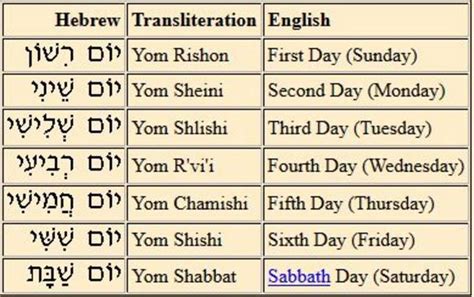
(NOTE: Sabbath Day (proper noun – name of the day of the week) = Hebrew: שַׁבָּת. Transliteration: shabbath. Sabbath = Seventh day / Saturday / Yom Shabbat / Sunset on Friday to sunset on Saturday. In accordance with Exodus 20:8–11, the Almighty Creator Himself commanded that the seventh day of the week to be kept holy as the Sabbath Day (COMMANDMENT #4). The purpose of this day of rest is to remind the children of Israel (Yisrael) that 𐤉𐤄𐤅𐤄 / YHUH / Yahuah created the universe in six days and then rested on the seventh day. The Jews observe this holy day of rest (Sabbath day) from sunset on Friday until dusk on the following day while some believers of Yahuah and Yahusha observe this holy day of rest from dawn to dawn as in Genesis 1:3-5 (King James Version) 3 And 𐤉𐤄𐤅𐤄 / YHUH / Yahuah said, Let there be light: and there was light. 4 And 𐤉𐤄𐤅𐤄 / YHUH / Yahuah saw the light, that it was good: and 𐤉𐤄𐤅𐤄 / YHUH / Yahuah divided the light from the darkness. 5 And 𐤉𐤄𐤅𐤄 / YHUH / Yahuah called the light Day, and the darkness he called Night. And the evening and the morning were the first day.)
DIAGRAM: Days of the Week in Hebrew – by Phillip Perry
Sadducees (proper noun) meaning in the Bible
(NOTE: Sadducees (proper noun) = Members of a Jewish sect or party of the time of Yahusha ha’Mashiach (the original name of the Messiah in the Hebrew language) that denied the resurrection of the dead, the existence of spirits, and the obligation of oral tradition, emphasizing acceptance of the written Law alone. They did not believe in any Scripture beyond the Torah, [the first five books of the Bible: Genesis, Exodus, Leviticus, Numbers, and Deuteronomy]. According to them, the Torah’s laws alone should be observed. The scripture below confirms that the Sadducees do not believe in resurrection, neither angel, nor spirit – Acts 23:8)
Acts 23:8 King James Version (KJV)
For the Sadducees say that there is no resurrection, neither angel, nor spirit: but the Pharisees confess both.
salvation (noun) meaning in the Bible
(NOTE: salvation (noun) = the deliverance/rescue from eternal punishment for sin, provided by the grace (the free and unmerited favour) of 𐤉𐤄𐤅𐤄 / YHUH / Yahuah, to those who accept His terms of repentance and faith in the Yahusha ha’Mashiach)
sanctuary (noun ) meaning in the Bible
(NOTE: sanctuary (noun) = a consecrated place; such as: (a) the ancient Hebrew temple at Jerusalem or its holy of holies. OR (b) the most sacred part of a religious building (such as the part of a Christian church in which the altar is placed)
Satan (proper noun) meaning in the Bible
(NOTE: Satan (proper noun) = שָׁלוֹם (H7854) / Lucifer (H1966; הֵילֵל Helel – Word origin: Halal (H1984; to praise / to boast [self]) [before he was casted out from heaven] / Baphomet / Devil / Diablo [in Spanish] / Father of Lies / serpent / the enemy / Prince of the Air / Fallen Angel / morning star / shining one / Dragon / Beast / Roaring lion / The Accuser / Murderer / Beelzebub / Baal / Ba’al / Belial / Antichrist)
scribes (noun – plural of scribe) meaning in the Bible
(NOTE: scribes (noun – plural of scribe) = Jewish learned leaders trained to write and teach the Torah, the law of Elohim / Aluahym; 𐤉𐤄𐤅𐤄 / Yahuah, the Most High Creator)
scrip (noun) meaning in the Bible
(NOTE: scrip (noun) = 1 Samuel 17:40 describes this small bag that is attached to the girdle as “a shepherd’s pouch”. 1 Samuel 17:40 (KJV) And he took his staff in his hand, and chose him five smooth stones out of the brook, and put them in a shepherd’s bag which he had, even in a scrip; and his sling was in his hand: and he drew near to the Philistine.)
shake the dust off your feet (idiom) meaning in the Bible
(NOTE: shake the dust off your feet (idiom) = “Shake the dust off your feet” means to show disassociation or rejection of a place or those who rejected Elohim’s truth, often used in a religious context to signify moving on from those who reject the message of faith. It originates from the New Testament, where Yahusha (the original name of the Messiah / Son of Yahuah) instructed his disciples to perform this act as a testimony against those who rejected Elohim’s truth)
shalom (interjection) meaning in the Bible
(NOTE: shalom (interjection) = שָׁלוֹם (H7965) = Peace, completeness, welfare, well-being, safety, prosperity. Used as a traditional Jewish greeting or farewell)
shepherd (noun) meaning in the Bible
(NOTE: shepherd (noun) = A person who tends and rears sheep)
Sodom and Gomorrha (Gomorrah) (proper nouns) meaning in the Bible
(NOTE: Sodom and Gomorrha (Gomorrah) (proper nouns) = The twin cities that 𐤉𐤄𐤅𐤄 / YHUH / Yahuah destroyed completely due to sexual immoral sins (homosexuality) – Genesis 19)
sodomite (noun) meaning in the Bible
(NOTE: sodomite (noun) = a person who engages in sodomy)
sojourn (verb) meaning in the Bible
(NOTE: sojourn (verb) = To stay / reside temporarily)
spikenard (noun) meaning in the Bible
(NOTE: spikenard (noun) = costly perfumed ointment much valued in ancient times)
statute (noun) meaning in the Bible
(NOTE: statute (noun) = חֻקָּה (H2708 . chuqqah) a written law passed by a legislative body; ordinance / decree / regulation / written law)
swaddling clothes (noun) meaning in the Bible
(NOTE: swaddling clothes (noun) = square clothes used to wrap around a newborn infant to hold its legs and arms still)
synagogue (noun) meaning in the Bible
(NOTE: synagogue (noun) = the building where a Jewish assembly or congregation meets for religious worship and instruction)
transgression (noun) meaning in the Bible
(NOTE: transgression (noun) = an act that goes against a law, rule, or code of conduct / moral principle; breach / offense)
tabernacle (noun) meaning in the Bible
(NOTE: tabernacle (noun) = (in Biblical use) a fixed or movable habitation, typically of light construction (a portable and ornate tent shrine); Tabernacle literally means ‘place of dwelling‘ and was so called in the belief that 𐤉𐤄𐤅𐤄 / YHUH / Yahuah literally lived within its sacred confines. When Israel (Yisrael) camped, the tabernacle was set up in the precise center of the camp (symbolizing the idea that 𐤉𐤄𐤅𐤄 / YHUH / Yahuah was to be the center of his people’s lives)
temple (noun) meaning in the Bible
(NOTE: temple (noun) = מִקְדָּשׁ (H4720 in Hebrew, miqdash or miqqedash) means sanctuary / a consecrated thing or place)
tetrarch (noun) meaning in the Bible
(NOTE: tetrarch (noun) = (in the Roman Empire) the governor of one of four divisions of a country or province)
tithe (noun) meaning in the Bible
(NOTE: tithe (noun) = One tenth of annual produce or earnings taken as a tax for the support of the church and clergy)
transfigured (verb – simple past tense and past participle of transfigured) meaning in the Bible
(NOTE: transfigured (verb – simple past tense and past participle of transfigured) = transformed into something more beautiful or elevated)
trespass (intransitive verb) meaning in the Bible
(NOTE: trespass (intransitive verb) = מַעַל (H4604 – maal) unfaithfulness / treachery / trespass / transgression, wrongdoing / offence / breach of law / misconduct)
viper (noun) meaning in the Bible
(NOTE: viper (noun) = A venomous snake with large hinged fangs, typically having a broad head and stout body, with dark patterns on a lighter background)
wilderness (noun) meaning in the Bible
(NOTE: wilderness (noun) = an uncultivated, uninhabited and inhospitable region; wild, backwoods)
THE PROPER HEBREW NAME OF THE ALMIGHTY CREATOR
Isaiah 52:6 King James Version (KJV)
“Therefore MY PEOPLE SHALL KNOW MY NAME: therefore they shall know in that day that I am he that doth (He who does) speak: behold, it is I.”
The word ‘God’ is a noun. It is not the Most High Creator’s actual name.
EXAMPLE: “He is my father. He drives me to school every morning. His name is Johnny Lim.”
EXPLAINED: The word ‘father’ here is a noun. It is not the actual / proper name. ‘Johnny Lim’ is the actual / proper name.
QUESTION: What is the Creator’s actual / proper name?
ANSWER: The Creator’s actual name is as follows:-
(NOTE: YHUH (proper noun) = 𐤉𐤄𐤅𐤄 is the proper name of the Creator. יהוה (H3068) in tetragrammaton: י (yad) ה (hay) ו (uau ) ה (hay)
IMPORTANT NOTE: Hebrew text is read from RIGHT to LEFT:-

(Click to enlarge)

THE ORGINAL HEBREW NAME OF THE MESSIAH
| Ancient / Paleo Hebrew | 𐤉𐤄𐤅𐤔𐤏 (Yahuah is Salvation) | 𐤌𐤔𐤉𐤇 (Messiah) |
| Modern Hebrew | יהושע (Yahusha = Yahuah is Salvation) | המשיח (ha‘Mashiach = The Anointed One) |
| Romanized (NOTE: Hebrew text is read from right to left) | Yahusha | ha‘Mashiach |
Yahusha (J*sus) was anointed by 𐤉𐤄𐤅𐤄 / YHUH / Yahuah as the Savior / Messiah to save the sinners for those who believe in Him.
THE ORGINAL HEBREW NAME OF THE MESSIAH WAS TRANSLITERATED ALONG THE YEARS
TRANSLATION VS TRANSLITERATION
Translation involves converting text from one language to another while preserving its meaning, context, and tone.
In contrast, transliteration focuses on converting text from one script to another, maintaining the original sounds WITHOUT CONVEYING the meaning.
THE ORGINAL HEBREW NAME OF THE MESSIAH WAS TRANSLITERATED ALONG THE YEARS
1) יהושע (Hebrew 3091) romanized = Yahusha = 𐤉𐤄𐤅𐤄 / YHUH / Yahuah saves
⬇ transliterated
into Greek as Iēsous (Ἰησοῦς)
⬇ transliterated
into Latin as Iesus
⬇ transliterated
into English as Jesus
2) משיח (Hebrew 4899) romanized : Mashiach = Anointed One / Messiah / Savior / Chosen One to save the sinners
⬇ transliterated
into Greek as Christos (Χριστός)
⬇ transliterated
into Latin as Christus
⬇ transliterated
into English as Christ
Therefore the FULL NAME of the Messiah in Hebrew alphabets is:-
IMPORTANT NOTE: Hebrew text is read from RIGHT to LEFT:-
יהושע המשיח (Hebrew) = Yahusha ha‘Mashiach

*** DIFFERENT SPELLING VERSIONS OF THE MESSIAH:-
Here are the explanations. PLEASE PAY ATTENTION TO EACH DETAIL EXPLAINED:-
1. SPELLING VERSION #1:-
Yeshua יֵשׁוּעַ (Hebrew 3442) means He will save. It is a shortened form of Yehoshooah / Yahushua יְהוֹשׁוּעַ (Hebrew 3091) = 𐤉𐤄𐤅𐤄 / YHUH / Yahuah saves. EXAMPLE #1: Mike is a shortened form of Michael. EXAMPLE #2: Josh is a shortened form of Joshua.
QUESTION: Does anyone like their name to be shortened? ANSWER: No.
QUESTION: Were our names shortened in any legal documents? ANSWER: No.
QUESTION: Is ‘Ye’ the name of the Creator? ANSWER: No, it is not. It is Yah יה (H3050 < י (y = Yad) & הּ (ah = Hay).
2. SPELLING VERSION #2:-
Yehoshooah / Yehushua יְהוֹשׁוּעַ (Hebrew 3091) as spelled in this manner with the niqqud as a pronunciation guide.
shua שוע (Hebrew 7769) = to cry out > ש (sh = Shan / Shin) + u ו (u = Uau) + ע (a = Ayin)
QUESTION: If the Messiah came in the name of His Father (Yah) as in John 5:43, will it make sense that the Messiah’s name be “Yehoshooah” / “Yehushua” / “Yehusha”? ANSWER: No.
QUESTION: Is ‘Yeh’ the name of the Creator? ANSWER: No, it is not. It is Yah יה (H3050 < י (y = Yad) & הּ (ah = Hay).
QUESTION: Does this spelling version form the meaning of the Creator saves? ANSWER: No, it doesn’t.
3. SPELLING VERSION #3:-
Yahushua יהושוע (Hebrew 3091) as spelled in this manner (without the niqqud) depicts the Messiah came in the name of His Father, Yah יה (Hebrew 3050) means The Creator. Yahushua means Yah [I] cry out.
Yah יה (Hebrew 3050) is made of י (y = Yad) & הּ (ah = Hay) which means YAH (יה = The Creator),
u ו (u = Uau) = add
shua שוע (Hebrew 7769) = to cry out > ש (sh = Shan / Shin) + u ו (u = Uau) + ע (a = Ayin)
QUESTION: Does this spelling version form the meaning of the Creator saves? ANSWER: No, it doesn’t, because shua שוע (Hebrew 7769) means ‘to cry out’.
4. SPELLING VERSION #4:-
Yahusha (יהושע) as spelled in this manner (before the niqqud was created) depicts the Messiah came in the name of His Father and according to the original Pictographic Hebrew. Yahusha means Yahuah saves.
Yah יה (Hebrew 3050) is made of י (y = Yad) & הּ (ah = Hay) which means YAH (יה = The Creator),
u ו (u = Uau) = add
sha שע (sh = Shan / Shin) + ע (a = Ayin) (NOTE: The ‘sha‘ here comes from the root word Yasha)
ROOT WORD: Yasha ישע (Hebrew 3467) = to save / deliver / rescue > י (y = Yad) & הּ (ah = Hay) + ש (sh = Shan / Shin) + ע (a = Ayin).
SUMMARY: Only the spelling of ‘Yahusha‘ from SPELLING VERSION #4 shows the meaning of the Creator / Yahuah saves.
See the diagram below (in Pictograph Hebrew, Ancient / Paleo Hebrew and Modern Hebrew letters):-
THE NAME OF THE MESSIAH
IMPORTANT NOTE: Hebrew text is read from RIGHT to LEFT:-
(Click to enlarge)


DIAGRAM: Ancient Hebrew Alphabet Chart
ACKNOWLEDGMENT: Many thanks to Ancient Hebrew Education Center for the diagram below:-

ARTICLE
THE NAMES OF THE CREATOR AND HIS SON: https://www.explorationsunited.com/the-names-of-the-creator-and-his-son
GUIDE TO BE A BELIEVER / TO BE SAVED
To accept Yahusha ha’Mashiach (original name in Hebrew of the Messiah) as your personal Savior and Master. Click here.
Blessings.
EXPLORATIONS UNITED
| Lookup a word or passage in the Bible |
|---|
|
|

HOME | ABOUT US | HERE 4 U | BIBLE 365 (with audio) | CHATROOMS | EVENTS | RESOURCES | CHRISTIAN SONGS & MUSIC | LIFE TIPS

QR Code for EXPLORATIONS UNITED’s website:-


SCRIPTURE REFERENCES FOR SPIRITUAL AWAKENING
Here are some important Scripture references for spiritual awakening. Please remember to read your Holy Bible and pray everyday because this is how our heavenly Father speaks to us. Make sure you read the entire Holy Bible. Write down each and every commandment, statute (written law) and instruction given by 𐤉𐤄𐤅𐤄 / YHUH / Yahuah in His Word. Obey and practice ALL OF THEM.
Having difficulties to discipline yourself to read the Holy Bible daily? Then you are in trouble! Stop deceiving yourselves!
WARNING from 𐤉𐤄𐤅𐤄 / YHUH / Yahuah Himself: The Word of 𐤉𐤄𐤅𐤄 / YHUH / Yahuah warned that if we do not have His word abiding (remaining) in us, then we are NOT believers (saved)! WAKE UP PEOPLE! Read John 5:38:-
John 5:38 King James Version (KJV)
And ye (you) have not his word (His Word) abiding (remaining) in you: for whom he hath (He / Yahuah has) sent, him ye believe not (Him you not believe).
Revelation 22:14 King James Version (KJV)
14 Blessed are they that do his (His) commandments, that they may have right to the tree of life, and may enter in through the gates into the city.
James 1:22 King James Version (KJV)
But be ye (you) doers of the word (Word), and not hearers only, deceiving your own selves.
Galatians 6:7 King James Version (KJV)
Be not deceived; 𐤉𐤄𐤅𐤄 / YHUH / Yahuah is not mocked: for whatsoever a man soweth (sows / puts in / plants / spreads), that shall he also reap (harvest / attain / get).
Galatians 6:3 King James Version (KJV)
For if a man think himself to be something, when he is nothing, he deceiveth (deceives / is deceiving) himself.
1 Corinthians 15:33 King James Version (KJV)
Be not deceived: evil communications corrupt good manners.
Colossians 2:8 King James Version (KJV)
Beware lest any man (Beware, otherwise others may) spoil you through philosophy and vain deceit (deception), after the tradition of men, after the rudiments of the world, and not after Christ (following the elementary principles of this world, rather than following [the truth—the teachings of] Mashiach).
1 Thessalonians 5:11 King James Version (KJV)
“Wherefore comfort yourselves together, and edify one another, even as also ye (you) do.”
Hebrews 3:13 King James Version (KJV)
But exhort one another daily, while it is called To day; lest any of you be hardened through the deceitfulness of sin.
John 7:27 King James Version (KJV)
Judge not according to the appearance, but judge righteous judgment.
Matthew 7:1-5 King James Version (KJV)
1 Judge not, that ye (you) be not judged.
(AMP BIBLE: 1 Do not judge and criticize and condemn [others unfairly with an attitude of self-righteous superiority as though assuming the office of a judge], so that you will not be judged [unfairly].)
2 For with what judgment ye (you) judge, ye (you) shall be judged: and with what measure ye mete (you punish), it shall be measured to you again.
(AMP BIBLE: 2 For just as you [hypocritically] judge others [when you are sinful and unrepentant], so will you be judged; and in accordance with your standard of measure [used to pass out judgment], judgment will be measured to you.)
3 And why beholdest thou the mote (And why do you look at the tiny piece / speck) that is in thy (your) brother’s eye, but considerest (consider / notice) not the beam (long timber / log) that is in thine (your) own eye?
4 Or how wilt thou (will you) say to thy (your) brother, Let me pull out the mote (tiny piece / speck) out of thine (your) eye; and, behold (look), a beam (long timber / log) is in thine (your) own eye?
5 Thou (You) hypocrite, first cast (throw) out the beam out of thine (your) own eye; and then shalt thou see (shall you) clearly to cast (throw) out the mote (tiny piece / speck) out of thy (your) brother’s eye.
Matthew 6:14-15 King James Version (KJV)
14 For if ye (you) forgive men their trespasses (wrongdoings / sins), your heavenly Father will also forgive you:
15 But if ye forgive not (For if you do not forgive) men their trespasses (wrongdoings / sins), neither will your Father forgive your trespasses (wrongdoings / sins).
Matthew 6:14-15 King James Version (KJV)
14 For if ye (you) forgive men their trespasses (wrongdoings / sins), your heavenly Father will also forgive you:
15 But if ye forgive not (For if you do not forgive) men their trespasses (wrongdoings / sins), neither will your Father forgive your trespasses (wrongdoings / sins).
Matthew 10:8 King James Version (KJV)
Heal the sick, cleanse the lepers, raise the dead, cast (drive) out devils: freely ye (you) have received, freely give.
John 3:3 Amplified Bible (AMP)
Yahusha answered him, “I assure you and most solemnly (seriously) say to you, unless a person is born again [reborn from above—spiritually transformed, renewed, sanctified], he cannot [ever] see and experience the kingdom of 𐤉𐤄𐤅𐤄 / YHUH Yahuah.”
John 3:16-18 King James Version (KJV)
16 For 𐤉𐤄𐤅𐤄 / YHUH Yahuah so loved the world, that he gave his (that He gave His) only begotten Son [Yahusha ha’Mashiach], that whosoever believeth in him (believes in Him) should not perish, but have everlasting (eternal) life.
17 For 𐤉𐤄𐤅𐤄 / YHUH Yahuah sent not his (did not send His) Son into the world to condemn (disapprove) the world; but that the world through him (Him) might be saved.
18 He that believeth on him (believes [and] decided to trust Him [as personal Savior and Adon]) is not condemned: but he that believeth not believeth (but he that does not believe) is condemned already, because he hath (has) not believed in the name of the only begotten Son of 𐤉𐤄𐤅𐤄 / YHUH / Yahuah [which is Yahusha ha’Mashiach].
Jeremiah 29:13 – King James Version (KJV)
“And ye (you) shall seek me (Me), and find me (Me), when ye (you) shall search for me (Me) with all your heart.”
Jeremiah 6:16 King James Version (KJV)
16 Thus saith (says) Adonai; 𐤉𐤄𐤅𐤄 / YHUH Yahuah, Stand ye (you) in the ways, and see, and ask for the old (ancient) paths, where is the good way, and walk therein, and ye (you) shall find rest for your souls. But they said, We will not walk therein.
Acts 4:12 King James Version (KJV)
Neither is there salvation in any other: for there is none other name under heaven given among men, whereby we must be saved.
Isaiah 52:6 King James Version (KJV)
“Therefore MY PEOPLE SHALL KNOW MY NAME: therefore they shall know in that day that I am he that doth (He who does) speak: behold, it is I.”
Malachi 2:2 King James Version (KJV)
“If ye (you) will not hear, and if ye will not lay it to heart (you will not take it seriously), to give glory unto my (My) name, saith (says) Adonai; 𐤉𐤄𐤅𐤄 / YHUH / Yahuah of hosts, I WILL EVEN SEND A CURSE UPON YOU, and I will curse your blessings: yea (yes), I have cursed them already, because ye do not lay it to heart (because you do not take it seriously).”
EDIFY AND ENCOURAGE ONE ANOTHER ALWAYS:-
1 Thessalonians 5:11 King James Version (KJV)
“Wherefore comfort yourselves together, and edify one another, even as also ye (you) do.”
Hebrews 3:13 King James Version (KJV)
But exhort one another daily, while it is called To day; lest any of you be hardened through the deceitfulness of sin.
Blessings